Product Description
Product Description
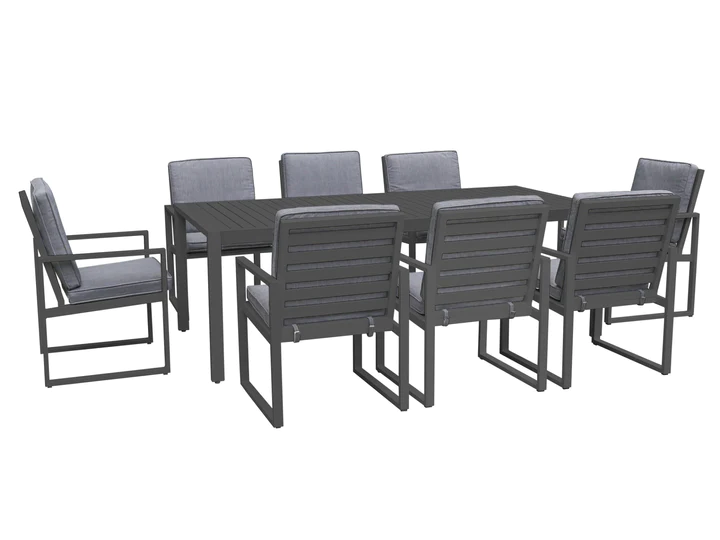
Table and Chair Set
1PCS rectangle table:
Main materials: Main tube:40*40*0.7MM,18*18*0.7MM,deputy tube:15*15*0.7MM,Black rattan :9*1.2MM,White transparent tempered glass 5MM, powder coated color :as rattan color
6PCS rattan single sofa:
Main materials: Main tube: φ22**0.7MM,φ19*0.6MM;18*18*0.6MM,deputy tube:φ16*0.6MM;φ13*0.6MM;;Black rattan:9*1.2MM,Cushion 5CM,180Gpolyester,back cushion:6CM*900G upright cotton,powder coated color :as rattan color,with UK FR foam.
Materials:
1.Frame:High quality aluminum frame with powder-coated
2.Cushion:100% polyester, water-resistant cushion and pillows
Packing & Quality
Carton box or paper inside+film outside or wooden box
Loading
Inquiry to us:
email us your request, we will offer you in 24 hours.
Negotiation:
Prices, payment way, delivery time, shipping, etc… we will CHINAMFG a contract.
Pay deposit:
After buyer arrange down payment or issuing B/L at sight to us, we will arrange production at soonest.
Production complete:
we will inform you before 1 week time of production complete.
Take photos& inspection:
we will inspection & take photos and send to you for reference 2 days before shipping.
Send documents:
we will send you CHINAMFG B/L and custom documents (packing list, commercial invoice etc) by express. Or Telex Released B/L.
Satisfy & repeat orders:
We thank you for your great support, and look forwarder to building long-term cooperation with you.
Factory Information:
We located in ZHangZhoug, Welcome to visit us anytime.
| Factory Size | 10000 Square meter | Factory Location | HangZhou, ZHangZhoug Province,China |
| R&D Staff | 21-30 | QC Staff | 6-10 |
| Contract Manufacturing | OEM service offered design service offered buyer label offered | Main Market | North America,South America,Eastern Asia,Africa,Oceania,Mid. East,Eastern Asia,Western Europe |
| Export Percentage | 85%-95% | Total Annual Sales Volume | USD3 Million to USD 5 Million |
Fair show:
1)spoga in Germany 2)Ciif in ZheJiang r & Gangzhou 3)Canton Fair in HangZhou
1. What is your MOQ?
MOQ is 1*20 GP container
1*20GP container with no more than 3 items
1*40HQ container with no more than 5 items.
2. Do you aceept sample order?
We accept sample order. However customer has to pay for the product cost and shipping cost.
3. Can I customize outdoor furniture from you?
Yes, can change the Dimension according to your needs.
4. Do you have own factory?
Yes, we are manufacturer with own factory and moulds and production lines, engaged in outdoor furniture for more than 11 years.
5. How about your Lead time?
Our production process needs 15-35 days depends on the product’s design and when will you place the order.
6. What about the payment term?
a.10~ 30%deposit T/T paid before production,the balance againset copy of B/L or L/C at sight
b. L/C at sight.
| Material: | Metal |
|---|---|
| Style: | European |
| Usage: | Outdoor |
| Folded: | Unfolded |
| Customized: | Customized |
| Condition: | New |
| Samples: |
US$ 700/Piece
1 Piece(Min.Order) | |
|---|
| Customization: |
Available
|
|
|---|
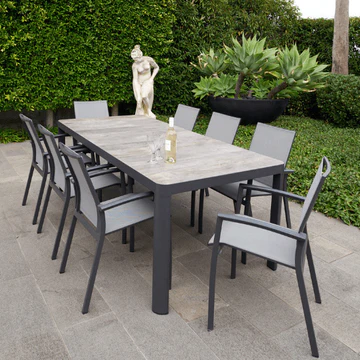
How do I keep my garden furniture from fading in the sun?
Fading of garden furniture due to sun exposure is a common concern. Here are some tips to help prevent fading and prolong the lifespan of your garden furniture:
1. Choose Sun-Resistant Materials:
When selecting garden furniture, opt for materials that are specifically designed to be resistant to fading caused by UV rays. Look for furniture made from materials like aluminum, teak, wrought iron, or UV-resistant synthetic materials that are less prone to fading.
2. Apply Protective Finishes:
Consider applying a protective finish to your garden furniture. Finishes like sealants, varnishes, or outdoor-grade paint can provide an additional layer of protection against UV rays. Make sure to choose finishes that are suitable for outdoor use and follow the manufacturer’s instructions for application.
3. Use Furniture Covers:
When your garden furniture is not in use, cover it with UV-resistant furniture covers. These covers shield the furniture from direct sunlight and help prevent fading. Ensure that the covers fit properly and are secured to withstand wind or other weather conditions.
4. Provide Shade:
Position your garden furniture in shaded areas, such as under a pergola, umbrella, or tree. Providing shade can significantly reduce the amount of direct sunlight your furniture receives, decreasing the risk of fading. Alternatively, you can create shade by using outdoor curtains, sunshades, or canopies.
5. Rotate and Rearrange:
To ensure even exposure to sunlight, periodically rotate and rearrange your garden furniture. This helps distribute the effects of fading more evenly across the furniture pieces. By changing the layout, you can also minimize the impact of prolonged sun exposure on specific areas.
6. Use Reflective Heat-Resistant Materials:
Avoid using dark-colored cushions or fabrics for your garden furniture, as they tend to absorb more heat and sunlight, increasing the risk of fading. Instead, opt for lighter-colored cushions and fabrics that reflect sunlight and heat. Additionally, consider using heat-resistant materials that are less prone to fading.
7. Regular Cleaning and Maintenance:
Regularly clean and maintain your garden furniture to remove dirt, debris, and pollutants that can contribute to fading. Follow the manufacturer’s instructions for cleaning and use appropriate cleaning products. Regular maintenance helps preserve the appearance and condition of the furniture.
8. Store Furniture During Intense Sunlight:
If possible, consider storing your garden furniture in a covered area or indoors during periods of intense sunlight, such as during the hottest hours of the day or during the peak of summer. Storing the furniture away from direct sunlight can help minimize fading.
By implementing these measures, you can help protect your garden furniture from fading caused by sun exposure. Remember, prevention is key, and proactive care will help maintain the appearance and longevity of your outdoor furniture.
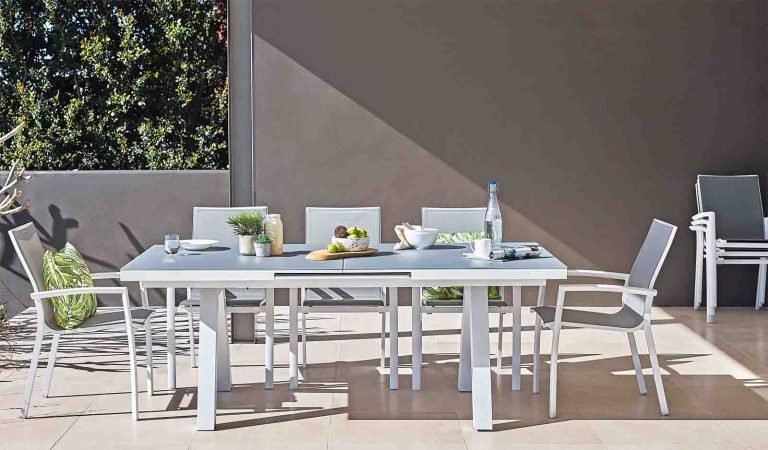
How do I revive old or worn-out garden furniture to extend its lifespan?
If you have old or worn-out garden furniture, there are several steps you can take to revive it and extend its lifespan. By giving your furniture some attention and care, you can restore its appearance, functionality, and durability. Here’s how you can revive old or worn-out garden furniture:
1. Clean the Furniture:
Start by thoroughly cleaning the furniture to remove dirt, grime, and any existing coatings. Use a mild detergent or a specialized cleaner suitable for the furniture material. Scrub the surfaces with a soft brush or sponge, and rinse with water. Cleaning the furniture will help reveal its true condition and prepare it for further restoration steps.
2. Repair Damaged Parts:
Inspect the furniture for any damaged or broken parts, such as loose joints, cracked wood, or rusted metal. Repair or replace these parts as necessary. Tighten screws, apply wood glue to loose joints, and use appropriate repair techniques for different materials. This step will help ensure the structural integrity of the furniture and prevent further damage.
3. Sand the Surfaces:
If the furniture has a worn or rough surface, sanding can help smooth it out and prepare it for refinishing. Use sandpaper with an appropriate grit for the furniture material. Sand in the direction of the wood grain or follow the manufacturer’s recommendations for other materials. Sanding will remove imperfections, old finishes, and provide a clean surface for the next steps.
4. Apply a Fresh Finish:
Consider applying a fresh finish to protect and enhance the appearance of the furniture. The type of finish will depend on the furniture material. For wooden furniture, options include varnish, paint, or stain. Metal furniture may require a rust-resistant primer and paint. Follow the manufacturer’s instructions and apply multiple coats for better durability.
5. Replace or Reupholster Cushions:
If your garden furniture has cushions that are worn-out or faded, consider replacing or reupholstering them. Look for outdoor-grade fabric that is resistant to UV rays and moisture. Measure the dimensions of the cushions and sew or have them professionally reupholstered. This will give your furniture a fresh and comfortable look.
6. Apply Protective Coatings:
To further extend the lifespan of your furniture, consider applying protective coatings. For wooden furniture, use a wood sealer or exterior-grade varnish to protect it from moisture and UV damage. Metal furniture can benefit from a clear coat or rust-resistant spray to prevent corrosion. These coatings will help maintain the appearance and integrity of the furniture.
7. Store Properly:
When not in use, store your garden furniture properly to protect it from harsh weather conditions. If possible, cover the furniture with a waterproof cover or move it to a covered area. Storing furniture indoors during the winter or extreme weather can significantly extend its lifespan.
8. Regular Maintenance:
Maintain your revived furniture by regularly cleaning it and performing minor repairs as needed. Keep an eye out for signs of wear or damage and address them promptly. By maintaining your furniture, you can ensure its longevity and enjoy it for years to come.
By following these steps, you can breathe new life into your old or worn-out garden furniture and extend its lifespan, saving both money and resources in the process.
What are the best materials for garden furniture that can withstand outdoor conditions?
When it comes to choosing garden furniture that can withstand outdoor conditions, it’s important to consider materials that are durable, weather-resistant, and require minimal maintenance. Here are some of the best materials for garden furniture:
1. Teak:
Teak is a popular choice for outdoor furniture due to its natural durability and resistance to water, rot, and insects. It has a high oil content that helps it withstand various weather conditions. Teak furniture can last for decades with proper care and maintenance.
2. Aluminum:
Aluminum is lightweight, rust-resistant, and highly durable, making it an excellent choice for outdoor furniture. It is easy to clean and requires minimal maintenance. Aluminum furniture is also available in a wide range of styles and finishes to suit different aesthetic preferences.
3. Wrought Iron:
Wrought iron is known for its strength and durability. It can withstand harsh weather conditions and is resistant to rust and corrosion. Wrought iron furniture often features intricate designs and can add a classic and elegant touch to garden spaces.
4. Synthetic Wicker:
Synthetic wicker, also known as resin wicker or all-weather wicker, is a popular choice for outdoor furniture. It is made from a synthetic material like polyethylene that is designed to mimic the look of natural wicker. Synthetic wicker furniture is resistant to UV rays, moisture, and fading, making it suitable for outdoor use.
5. Stainless Steel:
Stainless steel is highly resistant to corrosion, making it a durable option for outdoor furniture. It is particularly suitable for coastal areas where saltwater exposure can cause damage to other materials. Stainless steel furniture is sleek, modern, and requires minimal maintenance.
6. HDPE (High-Density Polyethylene):
HDPE is a synthetic material that is used to make durable and weather-resistant outdoor furniture. It is resistant to moisture, rot, and insects. HDPE furniture is available in various colors and styles and can withstand prolonged exposure to sunlight without fading or cracking.
7. Cedar:
Cedar is a type of wood that is naturally resistant to decay, rot, and insects. It has a pleasant aroma and is known for its durability. Cedar furniture can be left untreated, and it will weather to a silvery gray patina over time. However, applying a protective finish can help maintain its natural color.
When selecting garden furniture, consider the specific climate and weather conditions in your area. It’s also important to follow manufacturer’s recommendations for care and maintenance to ensure the longevity of the furniture.
editor by CX 2023-11-30