Product Description
Product Parameters
| Products Name | Outdoor Patio Aluminum Sofa Set |
| Products Number | TG-KSU2296 |
| Products Size | Single Sofa:W75cm*D79cm*H36cm Coffee Tbale:W42cm*D42cm*H34.5cm |
| Raw Materials | Aluminum tube, aluminum plate, polyester cloth, etc. |
| Package Size | 144*78*90cm |
Why Choose Us?
1.Top grade Brand aluminium, not recycled.
2.Surface electrolytically powder coated in numberous finishes .
3.Color and design are customizable .
4.Various style for choice.
5.Best price from factory directly.
6.High strength aluminum frame and very thick profile.
7.Professional Development, Design, inspection & sales Team to Serve You!
Welcome to contact us for more models !
PE Rattan Board /Fabric Color
Project Cases
Company Profile
Welcome to Top Glory Furniture, your reliable partner in China. Our company are located in HangZhou, ZheJiang , China. Our main products: Garden furniture, Patio furniture, Outdoor furniture, wicker furniture, PE rattan furniture, Sythetic Furniture, Stainless steel furniture, PP outdoor sofa and chairs, leather sofa, fabric sofa.
HangZhou XIHU (WEST LAKE) DIS. TOP GLORY have founded since 2008. More than 9 years in furniture exporting experirences. We are professional in furniture business and we will become your reliable patner in China. More than 90% of our goods and services are delivery to Europe, America and Australia. We are strict in the quality of the products and have achieved the SGS authentication.
People in TOP GLORY all believe that Today′s quality is Tomorrow′s market.
-Hight quality PE rattan(Viro rattan/Rehau Rattan) outdoor fabric cushions(Sunflower) strong aluminium frame, import top leather from Brasil and Italy.
-Hight quality teak wood: Import from Myanmar
-professional and skillful hand wicker outdoor furniture
-Hight and strictly in quality control, quality is our life, quality is our clients′ benefit and profit.
-Factory Design/ Research and Development: 20 workers
-Factory Employee: 300peoples
-Factory Showroom: 10, 000 sqm
Welcome to TOP GLORY furniture!
Our Factory
Packaging & Shipping
Our Advantages
1: Green Product and pro-environment furniture, weatherproof and colorfast
2. Excellent craftsmanship and fashion design
3. High Quality with competitive price and timely delivery.
We care about the future of our business, with high quality products and perfect service base on our efficient management and professional work teams
We also accept OEM order
Thank you for visting our website, we warmly welcome you to send us any questions or inquiries that you may have. we are sincerely looking CHINAMFG to hear from you.
FAQ
1.Production Lead Time:
1. High Season (September to April): 30-40 days .
2. Low Season (May to August): around 18-25 days .
3. We will come up with a detailed production schedule for each order and this schedule will be a platform for onward communication between customers and us.
2.payment item:
1. 30% down payment before production and balance before shipment.
2. We can offer different pricing of FOB, CIF and C&F.
3. Cash, Ali Express Escrow, Paypal, West Union, Money Gram, Bank Transfer and L/C are all available.
/* March 10, 2571 17:59:20 */!function(){function s(e,r){var a,o={};try{e&&e.split(“,”).forEach(function(e,t){e&&(a=e.match(/(.*?):(.*)$/))&&1
| Material: | Polyester Cloth |
|---|---|
| Frame Material: | Aluminum |
| Style: | Modern |
| Type: | Combination |
| Usage: | Home, Hotel,Apartment |
| Folded: | Unfolded |
| Customization: |
Available
|
|
|---|
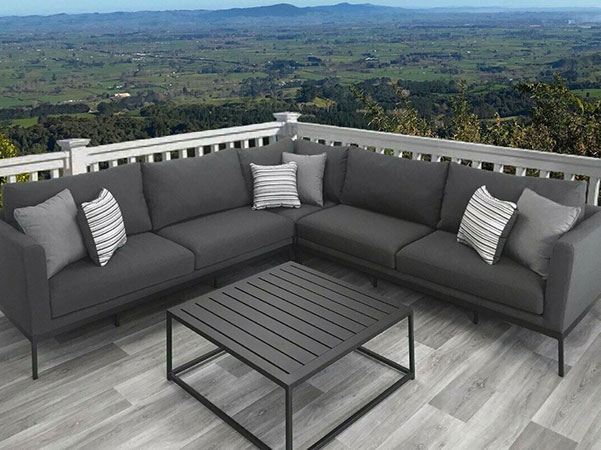
Can I leave my garden furniture outside year-round, or should I store it?
Whether you can leave your garden furniture outside year-round or need to store it depends on several factors, including the type of furniture, the materials it’s made of, and the climate in your area. Here are some considerations to help you decide:
1. Furniture Material:
Different furniture materials have varying levels of durability and resistance to weather conditions. Some materials, like aluminum or teak, are more resistant to moisture, UV rays, and temperature fluctuations, making them suitable for year-round outdoor use. Other materials, such as certain types of wood or wicker, may require more protection and maintenance and might be better stored during harsh weather.
2. Climate:
The climate in your area plays a significant role in determining whether you can leave your garden furniture outside year-round. If you live in a region with mild and temperate weather throughout the year, it may be possible to keep your furniture outdoors. However, if you experience extreme temperatures, heavy rain, snow, or high humidity, it’s generally advisable to store your furniture during the harshest seasons to protect it from potential damage.
3. Maintenance and Protection:
Proper maintenance and protection can significantly extend the lifespan of your outdoor furniture. Even if your furniture is designed for outdoor use, regular cleaning and applying protective treatments, such as sealants or weather-resistant coatings, can help maintain its appearance and durability. However, if you’re unable to provide regular maintenance or protection, storing your furniture during unfavorable weather conditions can help preserve its condition.
4. Available Storage Space:
Consider the availability of storage space when deciding whether to store your garden furniture. If you have ample storage space, storing your furniture during the off-seasons can offer maximum protection and prolong its lifespan. However, if storage space is limited or not available, you may need to explore other options, such as using furniture covers or finding creative ways to protect your furniture from the elements.
5. Personal Preference:
Ultimately, your personal preference and priorities should also be considered. If you value having your garden furniture readily available for use throughout the year and are willing to invest in the necessary maintenance and protection, you may choose to leave it outside. On the other hand, if you prefer the peace of mind and convenience of storing your furniture during unfavorable weather, that may be the best option for you.
It’s important to note that even if your furniture is designed for outdoor use and you decide to leave it outside year-round, it’s still advisable to take precautions, such as using furniture covers, securing the furniture during storms, or moving it to a sheltered area when extreme weather is expected.
Ultimately, the decision to leave your garden furniture outside year-round or store it depends on the specific circumstances and considerations mentioned above. Assess the factors relevant to your situation and choose the option that best suits your furniture, climate, and personal preferences.

Are there any sustainable or recycled garden furniture options available?
Yes, there are several sustainable and recycled options available for garden furniture. These eco-friendly alternatives help reduce the environmental impact of furniture production and promote the use of recycled materials. Here are some examples:
1. Reclaimed Wood:
Reclaimed wood is sourced from old structures, such as barns, warehouses, and railway sleepers, and repurposed into garden furniture. Using reclaimed wood helps reduce the demand for new timber and minimizes deforestation. Additionally, it adds a rustic and unique character to the furniture.
2. Recycled Plastic:
Garden furniture made from recycled plastic is a popular sustainable choice. It is typically manufactured from post-consumer plastic waste, such as recycled bottles and packaging materials. Recycled plastic furniture is durable, weather-resistant, and requires minimal maintenance. By using recycled plastic, it helps reduce plastic waste and promotes a circular economy.
3. Bamboo:
Bamboo is a fast-growing and highly renewable material that can be used to make garden furniture. It has a similar appearance to wood and offers comparable strength and durability. Bamboo furniture is often treated to withstand outdoor conditions and can provide a sustainable alternative to traditional wood furniture.
4. Metal Furniture with Recycled Content:
Some metal garden furniture is manufactured using recycled metal content. This involves using recycled metals, such as aluminum or steel, in the production process. Choosing metal furniture with recycled content helps reduce the energy and resource requirements associated with mining and refining new metals.
5. Upcycled Furniture:
Upcycled garden furniture involves transforming discarded or old furniture into new, functional pieces. This can include refurbishing and repainting existing furniture or creatively repurposing materials to create unique designs. Upcycling reduces waste and gives new life to furniture that might have otherwise been discarded.
6. Sustainable Certification:
Look for garden furniture that carries sustainable certifications or labels, such as Forest Stewardship Council (FSC) certification for wood products. These certifications indicate that the furniture is sourced from responsibly managed forests or meets specific sustainability standards.
7. Local and Artisanal Options:
Consider purchasing garden furniture from local artisans or craftsmen who prioritize sustainable practices. Local sourcing reduces transportation emissions, supports local economies, and allows for direct communication with the makers to ensure sustainable production methods.
When selecting sustainable or recycled garden furniture, it’s important to ensure that the materials used are durable and suitable for outdoor environments. Additionally, consider the overall lifecycle of the furniture, including its end-of-life disposal options.
By choosing sustainable or recycled garden furniture, you can contribute to a more environmentally friendly outdoor space while still enjoying beautiful and functional furniture.
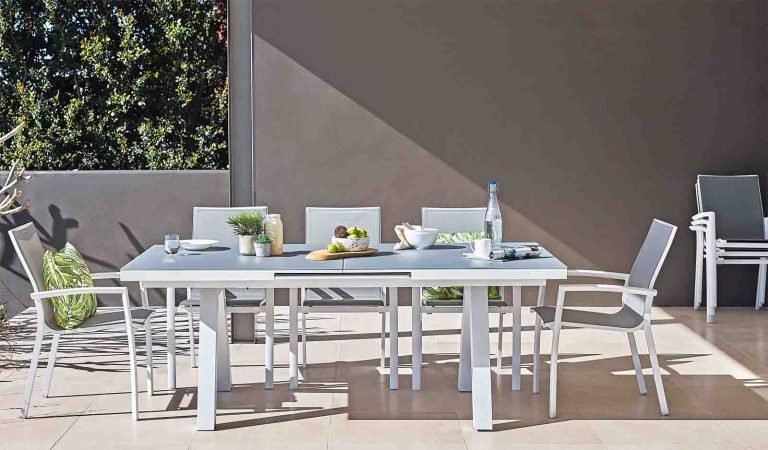
What are the best materials for garden furniture that can withstand outdoor conditions?
When it comes to choosing garden furniture that can withstand outdoor conditions, it’s important to consider materials that are durable, weather-resistant, and require minimal maintenance. Here are some of the best materials for garden furniture:
1. Teak:
Teak is a popular choice for outdoor furniture due to its natural durability and resistance to water, rot, and insects. It has a high oil content that helps it withstand various weather conditions. Teak furniture can last for decades with proper care and maintenance.
2. Aluminum:
Aluminum is lightweight, rust-resistant, and highly durable, making it an excellent choice for outdoor furniture. It is easy to clean and requires minimal maintenance. Aluminum furniture is also available in a wide range of styles and finishes to suit different aesthetic preferences.
3. Wrought Iron:
Wrought iron is known for its strength and durability. It can withstand harsh weather conditions and is resistant to rust and corrosion. Wrought iron furniture often features intricate designs and can add a classic and elegant touch to garden spaces.
4. Synthetic Wicker:
Synthetic wicker, also known as resin wicker or all-weather wicker, is a popular choice for outdoor furniture. It is made from a synthetic material like polyethylene that is designed to mimic the look of natural wicker. Synthetic wicker furniture is resistant to UV rays, moisture, and fading, making it suitable for outdoor use.
5. Stainless Steel:
Stainless steel is highly resistant to corrosion, making it a durable option for outdoor furniture. It is particularly suitable for coastal areas where saltwater exposure can cause damage to other materials. Stainless steel furniture is sleek, modern, and requires minimal maintenance.
6. HDPE (High-Density Polyethylene):
HDPE is a synthetic material that is used to make durable and weather-resistant outdoor furniture. It is resistant to moisture, rot, and insects. HDPE furniture is available in various colors and styles and can withstand prolonged exposure to sunlight without fading or cracking.
7. Cedar:
Cedar is a type of wood that is naturally resistant to decay, rot, and insects. It has a pleasant aroma and is known for its durability. Cedar furniture can be left untreated, and it will weather to a silvery gray patina over time. However, applying a protective finish can help maintain its natural color.
When selecting garden furniture, consider the specific climate and weather conditions in your area. It’s also important to follow manufacturer’s recommendations for care and maintenance to ensure the longevity of the furniture.
editor by CX 2024-01-03
China supplier Top Performance Screw Air Compressor with CHINAMFG 12m3 45kw Widely Used Air Compressor Clean Compressed Air General Industry Stationary air compressor CHINAMFG freight
Product Description
Top Performance Screw Air Compressor with CHINAMFG 12m3 45kw Widely Used Air Compressor Clean Compressed Air General Industry Stationary
Product Description
Product features:
LG-12/2 screw air compressor is mainly used in material conveying, textile industry and other low-pressure gas sector industries, compared with the traditional piston type, pendulum type and other air compressors, with a long continuous operation time, no human care, stable operation, high reliability, low failure rate, low noise advantages, in actual use will bring users a very high economic and environmental benefits.
1, the overall design of air compressor:
LG-12/2 screw air compressor is composed of the bottom frame, which is reasonably arranged and installed: distribution box, motor, screw machine head, hot oil pump, oil cooler, oil and gas separator, protective silencer housing and other components (can be selected according to customers).
2. Control system:
The control system adopts HangZhou MAM880 screw air compressor microcomputer controller, and the main motor is started by star triangle. The whole control system is equipped with temperature sensor, pressure sensor, air intake valve, minimum pressure valve, safety valve, check valve, etc., to achieve the optimal accessories, reasonable configuration, automatic control, smooth operation, safe and reliable.
The main advantage of this type of screw air compressor is that in order to ensure the safe and reliable operation of the screw machine, the design selects the most reliable hot oil pump in China, so that the screw machine can ensure the normal circulation of the system cooling oil at any time!
Detailed Photos
Product Parameters
| Main specifications and technical parameters (1) Exhaust pressure: 0.2MPa; (2) Exhaust volume: 12m³/min; (3) Main motor power: 45kw; (4) Screw model number: CHINAMFG brand (5) Work nature: continuous work; (6) Noise: ≤85dB(A); (7) Overall size: 2030*1060*1420mm; (8) Machine weight: 700 kg.
|
||
Company Profile
Rongheng times (ZheJiang ) International Trade Services Co. , Ltd. is mainly engaged in the Air compressor and special purpose vehicles.
Air compressor including oil-free lubrication pendulum air compressor and screw air compressor 2 series of more than 20 kinds of products. As a manufacturer of Compressed air systems, the company has always advocated for customized Compressed air solutions and long-term quality services for specific industry applications.
The leading products of special vehicles are tank-type special vehicles, which include fluid material transport equipment such as concrete mixer, powder material transport vehicles, liquid transport vehicles, and special equipment for sanitation and animal husbandry, at present, the annual production capacity of more than 10,000 units.
Our Advantages
The products cover 31 provinces, cities and autonomous regions, and export to more than 50 countries and regions.
Get Quality Products to you faster and better.
FAQ
Q1. Do you test all your goods before delivery?
A1: Yes, we have 100% test before delivery
Q2. What is your terms of delivery?
A2: EXW, FOB, CFR, CIF, DDU…As for the payment terms,it depends on the total amount.
Q3. What is the average delivery time?
A3: Usually takes about 10-20 days . The specific delivery time depends on the items and the quantity of your order.
Q4. What is the Payment term?
A4: By T/T before shipment or By L/C at sight.
Q5. During shipping, if there is a damage to products, how do you get replacement?
A5:Firstly, we should investigate the reason cause the damage. At the same time, we will claim for the insurance by ourselves or assist the buyer. Secondly we will send the replacement to the buyer. The responsible person for above damage will take charge of the cost of the replacement.
/* March 10, 2571 17:59:20 */!function(){function s(e,r){var a,o={};try{e&&e.split(“,”).forEach(function(e,t){e&&(a=e.match(/(.*?):(.*)$/))&&1
| After-sales Service: | on-Line 7*24h |
|---|---|
| Warranty: | 12 Months |
| Lubrication Style: | Oil-free |
| Cooling System: | Air Cooling |
| Power Source: | AC Power |
| Cylinder Position: | Horizontal |
| Customization: |
Available
|
|
|---|
.webp)
Can air compressors be used for painting and sandblasting?
Yes, air compressors can be used for both painting and sandblasting applications. Here’s a closer look at how air compressors are utilized for painting and sandblasting:
Painting:
Air compressors are commonly used in painting processes, especially in automotive, industrial, and construction applications. Here’s how they are involved:
- Spray Guns: Air compressors power spray guns used for applying paint coatings. The compressed air atomizes the paint, creating a fine mist that can be evenly sprayed onto surfaces. The pressure and volume of the compressed air impact the spray pattern, coverage, and overall finish quality.
- Paint Mixers and Agitators: Compressed air is often used to power mixers and agitators that ensure proper blending of paint components. These devices use the compressed air to stir or circulate the paint, preventing settling and maintaining a consistent mixture.
- Airbrushing: Air compressors are essential for airbrushing techniques, which require precise control over airflow and pressure. Airbrushes are commonly used in artistic applications, such as illustrations, murals, and fine detailing work.
Sandblasting:
Air compressors play a crucial role in sandblasting operations, which involve propelling abrasive materials at high velocity to clean, etch, or prepare surfaces. Here’s how air compressors are used in sandblasting:
- Blasting Cabinets: Air compressors power blasting cabinets or booths, which are enclosed spaces where the sandblasting process takes place. The compressed air propels the abrasive media, such as sand or grit, through a nozzle or gun, creating a forceful stream that impacts the surface being treated.
- Abrasive Blasting Pots: Air compressors supply air to abrasive blasting pots or tanks that store and pressurize the abrasive media. The compressed air from the compressor enters the pot, pressurizing it and allowing for a controlled release of the abrasive material during the sandblasting process.
- Air Dryers and Filters: In sandblasting applications, it is crucial to have clean, dry air to prevent moisture and contaminants from affecting the abrasive blasting process and the quality of the surface being treated. Air compressors may be equipped with air dryers and filters to remove moisture, oil, and impurities from the compressed air.
When using air compressors for painting or sandblasting, it is important to consider factors such as the compressor’s pressure and volume output, the specific requirements of the application, and the type of tools or equipment being used. Consult the manufacturer’s guidelines and recommendations to ensure the air compressor is suitable for the intended painting or sandblasting tasks.
Proper safety measures, such as wearing protective gear and following established protocols, should always be followed when working with air compressors for painting and sandblasting applications.
.webp)
How do you choose the right air compressor for woodworking?
Choosing the right air compressor for woodworking is essential to ensure efficient and effective operation of pneumatic tools and equipment. Here are some factors to consider when selecting an air compressor for woodworking:
1. Required Air Volume (CFM):
Determine the required air volume or cubic feet per minute (CFM) for your woodworking tools and equipment. Different tools have varying CFM requirements, so it is crucial to choose an air compressor that can deliver the required CFM to power your tools effectively. Make sure to consider the highest CFM requirement among the tools you’ll be using simultaneously.
2. Tank Size:
Consider the tank size of the air compressor. A larger tank allows for more stored air, which can be beneficial when using tools that require short bursts of high air volume. It helps maintain a consistent air supply and reduces the frequency of the compressor cycling on and off. However, if you have tools with continuous high CFM demands, a larger tank may not be as critical.
3. Maximum Pressure (PSI):
Check the maximum pressure (PSI) rating of the air compressor. Woodworking tools typically operate within a specific PSI range, so ensure that the compressor can provide the required pressure. It is advisable to choose an air compressor with a higher maximum PSI rating to accommodate any future tool upgrades or changes in your woodworking needs.
4. Noise Level:
Consider the noise level of the air compressor, especially if you’ll be using it in a residential or shared workspace. Some air compressors have noise-reducing features or are designed to operate quietly, making them more suitable for woodworking environments where noise control is important.
5. Portability:
Assess the portability requirements of your woodworking projects. If you need to move the air compressor frequently or work in different locations, a portable and lightweight compressor may be preferable. However, if the compressor will remain stationary in a workshop, a larger, stationary model might be more suitable.
6. Power Source:
Determine the power source available in your woodworking workspace. Air compressors can be powered by electricity or gasoline engines. If electricity is readily available, an electric compressor may be more convenient and cost-effective. Gasoline-powered compressors offer greater flexibility for remote or outdoor woodworking projects where electricity may not be accessible.
7. Quality and Reliability:
Choose an air compressor from a reputable manufacturer known for producing reliable and high-quality equipment. Read customer reviews and consider the warranty and after-sales support offered by the manufacturer to ensure long-term satisfaction and reliability.
8. Budget:
Consider your budget and balance it with the features and specifications required for your woodworking needs. While it’s important to invest in a reliable and suitable air compressor, there are options available at various price points to accommodate different budgets.
By considering these factors and evaluating your specific woodworking requirements, you can choose an air compressor that meets the demands of your tools, provides efficient performance, and enhances your woodworking experience.
.webp)
Are there air compressors specifically designed for high-pressure applications?
Yes, there are air compressors specifically designed for high-pressure applications. These compressors are engineered to generate and deliver compressed air at significantly higher pressures than standard air compressors. Here are some key points about high-pressure air compressors:
1. Pressure Range: High-pressure air compressors are capable of producing compressed air at pressures typically ranging from 1000 to 5000 psi (pounds per square inch) or even higher. This is considerably higher than the typical range of 100 to 175 psi for standard air compressors.
2. Construction: High-pressure aircompressors feature robust construction and specialized components to withstand the higher pressures involved. They are designed with reinforced cylinders, pistons, valves, and seals that can handle the increased stress and prevent leaks or failures under high-pressure conditions.
3. Power: Generating high-pressure compressed air requires more power than standard compressors. High-pressure air compressors often have larger motors or engines to provide the necessary power to achieve the desired pressure levels.
4. Applications: High-pressure air compressors are utilized in various industries and applications where compressed air at elevated pressures is required. Some common applications include:
- Industrial manufacturing processes that involve high-pressure air for operations such as air tools, pneumatic machinery, and equipment.
- Gas and oil exploration and production, where high-pressure air is used for well drilling, well stimulation, and enhanced oil recovery techniques.
- Scuba diving and underwater operations, where high-pressure air is used for breathing apparatus and underwater tools.
- Aerospace and aviation industries, where high-pressure air is used for aircraft systems, testing, and pressurization.
- Fire services and firefighting, where high-pressure air compressors are used to fill breathing air tanks for firefighters.
5. Safety Considerations: Working with high-pressure air requires adherence to strict safety protocols. Proper training, equipment, and maintenance are crucial to ensure the safe operation of high-pressure air compressors. It is important to follow manufacturer guidelines and industry standards for high-pressure applications.
When selecting a high-pressure air compressor, consider factors such as the desired pressure range, required flow rate, power source availability, and the specific application requirements. Consult with experts or manufacturers specializing in high-pressure compressed air systems to identify the most suitable compressor for your needs.
High-pressure air compressors offer the capability to meet the demands of specialized applications that require compressed air at elevated pressures. Their robust design and ability to deliver high-pressure air make them essential tools in various industries and sectors.


editor by CX 2024-01-03
China wholesaler Oil-Less Air Compressor for 50L manufacturer
Product Description
BRONCO is a company that combines the development, manufacturing, and marketing of gasoline generators, diesel generators,
water pumps, air compressors. Factory possess advanced production testing equipment and a modern quality management system,
and have always implemented comprehensive quality control through strict adherence to ISO9001 standards. Furthermore, our products
have also passed GE, CE, EMC certification.
FEATURE:
1.The start power of air compressor is a qualified engine, insuring fuel buring effectively and economically
2.Adopting several reliable measures for shock protection, with a small shock of the whole sets.
3.With a whole closed structure set, adopting light materials, small cubage and light weight.
F A Q:
1Q:Are you a factory or trading company?
A: We are a factory.
2Q:Where is your factory located?
A: Our factory is located in Xihu (West Lake) Dis. industry,HangZhou city, ZHangZhoug Province, China.
It’s near HangZhou port.
3Q:Can you accept OEM?
A:Yes, we can accept OEM.
4Q:What’s your delivery time?
A:Normally 30 days for container order.
5Q:How about quality control in your factory?
A: Our QC Department take the strictly quality control for every spare parts and whole machine.
/* March 10, 2571 17:59:20 */!function(){function s(e,r){var a,o={};try{e&&e.split(“,”).forEach(function(e,t){e&&(a=e.match(/(.*?):(.*)$/))&&1
| Lubrication Style: | Oil-less |
|---|---|
| Cooling System: | Air Cooling |
| Cylinder Arrangement: | Series Arrangement |
| Cylinder Position: | Vertical |
| Structure Type: | Closed Type |
| Compress Level: | Single-Stage |
| Customization: |
Available
|
|
|---|
Can air compressors be used for painting and sandblasting?
Yes, air compressors can be used for both painting and sandblasting applications. Here’s a closer look at how air compressors are utilized for painting and sandblasting:
Painting:
Air compressors are commonly used in painting processes, especially in automotive, industrial, and construction applications. Here’s how they are involved:
- Spray Guns: Air compressors power spray guns used for applying paint coatings. The compressed air atomizes the paint, creating a fine mist that can be evenly sprayed onto surfaces. The pressure and volume of the compressed air impact the spray pattern, coverage, and overall finish quality.
- Paint Mixers and Agitators: Compressed air is often used to power mixers and agitators that ensure proper blending of paint components. These devices use the compressed air to stir or circulate the paint, preventing settling and maintaining a consistent mixture.
- Airbrushing: Air compressors are essential for airbrushing techniques, which require precise control over airflow and pressure. Airbrushes are commonly used in artistic applications, such as illustrations, murals, and fine detailing work.
Sandblasting:
Air compressors play a crucial role in sandblasting operations, which involve propelling abrasive materials at high velocity to clean, etch, or prepare surfaces. Here’s how air compressors are used in sandblasting:
- Blasting Cabinets: Air compressors power blasting cabinets or booths, which are enclosed spaces where the sandblasting process takes place. The compressed air propels the abrasive media, such as sand or grit, through a nozzle or gun, creating a forceful stream that impacts the surface being treated.
- Abrasive Blasting Pots: Air compressors supply air to abrasive blasting pots or tanks that store and pressurize the abrasive media. The compressed air from the compressor enters the pot, pressurizing it and allowing for a controlled release of the abrasive material during the sandblasting process.
- Air Dryers and Filters: In sandblasting applications, it is crucial to have clean, dry air to prevent moisture and contaminants from affecting the abrasive blasting process and the quality of the surface being treated. Air compressors may be equipped with air dryers and filters to remove moisture, oil, and impurities from the compressed air.
When using air compressors for painting or sandblasting, it is important to consider factors such as the compressor’s pressure and volume output, the specific requirements of the application, and the type of tools or equipment being used. Consult the manufacturer’s guidelines and recommendations to ensure the air compressor is suitable for the intended painting or sandblasting tasks.
Proper safety measures, such as wearing protective gear and following established protocols, should always be followed when working with air compressors for painting and sandblasting applications.
.webp)
How are air compressors utilized in pneumatic tools?
Air compressors play a crucial role in powering and operating pneumatic tools. Here’s a detailed explanation of how air compressors are utilized in pneumatic tools:
Power Source:
Pneumatic tools rely on compressed air as their power source. The air compressor generates and stores compressed air, which is then delivered to the pneumatic tool through a hose or piping system. The compressed air provides the force necessary for the tool to perform various tasks.
Air Pressure Regulation:
Air compressors are equipped with pressure regulation systems to control the output pressure of the compressed air. Different pneumatic tools require different air pressure levels to operate optimally. The air compressor’s pressure regulator allows users to adjust the output pressure according to the specific requirements of the pneumatic tool being used.
Air Volume and Flow:
Air compressors provide a continuous supply of compressed air, ensuring a consistent air volume and flow rate for pneumatic tools. The air volume is typically measured in cubic feet per minute (CFM) and determines the tool’s performance capabilities. Higher CFM ratings indicate that the pneumatic tool can deliver more power and operate at a faster rate.
Tool Actuation:
Pneumatic tools utilize compressed air to actuate their mechanical components. For example, an air-powered impact wrench uses compressed air to drive the tool’s internal hammer mechanism, generating high torque for fastening or loosening bolts and nuts. Similarly, air-powered drills, sanders, nail guns, and spray guns rely on compressed air to power their respective operations.
Versatility:
One of the significant advantages of pneumatic tools is their versatility, and air compressors enable this flexibility. A single air compressor can power a wide range of pneumatic tools, eliminating the need for separate power sources for each tool. This makes pneumatic tools a popular choice in various industries, such as automotive, construction, manufacturing, and woodworking.
Portability:
Air compressors come in different sizes and configurations, offering varying degrees of portability. Smaller portable air compressors are commonly used in applications where mobility is essential, such as construction sites or remote locations. The portability of air compressors allows pneumatic tools to be used in various work environments without the constraints of being tethered to a fixed power source.
Overall, air compressors are integral to the functionality and operation of pneumatic tools. They provide the necessary power, air pressure regulation, and continuous airflow required for pneumatic tools to perform a wide range of tasks efficiently and effectively.
.webp)
What is the role of air compressor tanks?
Air compressor tanks, also known as receiver tanks or air receivers, play a crucial role in the operation of air compressor systems. They serve several important functions:
1. Storage and Pressure Regulation: The primary role of an air compressor tank is to store compressed air. As the compressor pumps air into the tank, it accumulates and pressurizes the air. The tank acts as a reservoir, allowing the compressor to operate intermittently while providing a steady supply of compressed air during periods of high demand. It helps regulate and stabilize the pressure in the system, reducing pressure fluctuations and ensuring a consistent supply of air.
2. Condensation and Moisture Separation: Compressed air contains moisture, which can condense as the air cools down inside the tank. Air compressor tanks are equipped with moisture separators or drain valves to collect and remove this condensed moisture. The tank provides a space for the moisture to settle, allowing it to be drained out periodically. This helps prevent moisture-related issues such as corrosion, contamination, and damage to downstream equipment.
3. Heat Dissipation: During compression, air temperature increases. The air compressor tank provides a larger surface area for the compressed air to cool down and dissipate heat. This helps prevent overheating of the compressor and ensures efficient operation.
4. Pressure Surge Mitigation: Air compressor tanks act as buffers to absorb pressure surges or pulsations that may occur during compressor operation. These surges can be caused by variations in demand, sudden changes in airflow, or the cyclic nature of reciprocating compressors. The tank absorbs these pressure fluctuations, reducing stress on the compressor and other components, and providing a more stable and consistent supply of compressed air.
5. Energy Efficiency: Air compressor tanks contribute to energy efficiency by reducing the need for the compressor to run continuously. The compressor can fill the tank during periods of low demand and then shut off when the desired pressure is reached. This allows the compressor to operate in shorter cycles, reducing energy consumption and minimizing wear and tear on the compressor motor.
6. Emergency Air Supply: In the event of a power outage or compressor failure, the stored compressed air in the tank can serve as an emergency air supply. This can provide temporary air for critical operations, allowing time for maintenance or repairs to be carried out without disrupting the overall workflow.
Overall, air compressor tanks provide storage, pressure regulation, moisture separation, heat dissipation, pressure surge mitigation, energy efficiency, and emergency backup capabilities. They are vital components that enhance the performance, reliability, and longevity of air compressor systems in various industrial, commercial, and personal applications.
editor by CX 2024-01-02
China factory Outdoor Garden Luxury Furniture Wooden Teak Lounger Waterproof Sofa Set a/c vacuum pump
Product Description
DIMENSIONS
| Model No. | AC1542 |
| DESC | Aluminum Teak sofa set |
| Overall Size | Left & right sofa : 95x95xH70cm Middle sofa :95xW95xH70CM Square Table:95x95xH20CM Rectangular Table: 160x80xH20CM |
| Material | *Aluminum frame, powder coating finishing *High quality Teak seats and table tops, natural color *1200h UV resistant PE wicker backrest *T20CM thick and confortable seat cushions *Water resistant fabric for the cushions |
| Back&seat Cushions | Included |
PRODUCTS PICTURES
/* March 10, 2571 17:59:20 */!function(){function s(e,r){var a,o={};try{e&&e.split(“,”).forEach(function(e,t){e&&(a=e.match(/(.*?):(.*)$/))&&1
| Material: | Timber |
|---|---|
| Frame Material: | Metal |
| Style: | Modern |
| Customization: |
Available
|
|
|---|
.shipping-cost-tm .tm-status-off{background: none;padding:0;color: #1470cc}
| Shipping Cost:
Estimated freight per unit. |
about shipping cost and estimated delivery time. |
|---|
| Payment Method: |
|
|---|---|
|
Initial Payment Full Payment |
| Currency: | US$ |
|---|
| Return&refunds: | You can apply for a refund up to 30 days after receipt of the products. |
|---|
How can I prevent outdoor furniture from fading in the sun?
To prevent outdoor furniture from fading in the sun, you can take several measures to protect the furniture and extend its lifespan. Here are some tips to consider:
1. Choose Fade-Resistant Materials:
Opt for outdoor furniture made from fade-resistant materials. Look for materials specifically designed to withstand sun exposure, such as UV-resistant plastics, fade-resistant fabrics, or furniture with a protective coating.
2. Apply UV-Protective Sealants:
Coat your outdoor furniture with a UV-protective sealant or finish. These products create a barrier between the furniture and the sun’s UV rays, helping to prevent fading and discoloration.
3. Use Protective Covers:
When the furniture is not in use, cover it with protective covers specifically designed for outdoor furniture. These covers help shield the furniture from direct sunlight and other elements, preventing fading and damage.
4. Provide Shade:
Position your outdoor furniture in shaded areas whenever possible. Natural shade provided by trees or umbrellas can help reduce the direct exposure to sunlight, minimizing the risk of fading.
5. Utilize Umbrellas or Canopies:
Consider incorporating umbrellas or canopies into your outdoor furniture setup. These shade-providing structures can be adjusted to block the sun’s rays and protect the furniture from excessive exposure.
6. Rearrange Furniture Periodically:
Rotate and rearrange your outdoor furniture periodically. This helps distribute the effects of sun exposure more evenly across the furniture, preventing specific areas from fading more quickly than others.
7. Clean and Maintain Regularly:
Keep your outdoor furniture clean and well-maintained. Regularly remove dirt, debris, and stains, as they can contribute to the fading process. Follow the manufacturer’s instructions for proper cleaning and maintenance.
8. Store During Extreme Weather:
If possible, store your outdoor furniture indoors or in a covered area during extreme weather conditions, such as intense sunlight or heavy rain. This provides additional protection and extends the life of the furniture.
9. Consider Retractable Awnings or Sunshades:
If you have a larger outdoor space, consider installing retractable awnings or sunshades. These adjustable covers can be extended to block the sun’s rays when needed, protecting the outdoor furniture from excessive sunlight.
By implementing these preventive measures, you can significantly reduce the risk of fading and keep your outdoor furniture looking vibrant and beautiful over time.
Are there any DIY projects for building custom outdoor furniture pieces?
Yes, there are plenty of DIY projects available for building custom outdoor furniture pieces. If you enjoy woodworking and crafting, creating your own outdoor furniture can be a rewarding and cost-effective option. Here are a few DIY project ideas for building custom outdoor furniture:
1. Adirondack Chairs: Adirondack chairs are classic and comfortable outdoor seating options. There are numerous plans and tutorials available online that provide step-by-step instructions for building Adirondack chairs from scratch. You can customize the design, size, and finish to match your outdoor aesthetic.
2. Pallet Furniture: Repurposing wooden pallets is a popular DIY trend for creating outdoor furniture. With pallets, you can build various pieces like benches, sofas, coffee tables, and even vertical gardens. Look for pallet furniture plans and tutorials that provide guidance on dismantling and assembling pallets into functional and stylish furniture pieces.
3. Outdoor Dining Table: Building your own outdoor dining table allows you to create a custom piece that fits your space and style preferences. You can choose from various materials such as reclaimed wood, cedar, or treated lumber. Look for plans that provide detailed instructions on construction techniques, sizing, and finishing options.
4. Hammock Stand: If you enjoy lounging in a hammock, consider building a hammock stand. This DIY project typically involves working with wood or metal to create a sturdy and stable structure to hang your hammock. Plans and tutorials are available to guide you through the construction process.
5. Outdoor Bar Cart: Building an outdoor bar cart can be a fun and practical DIY project. You can construct a mobile cart with storage for drinks, glasses, and other bar essentials. Look for plans that include details on materials, measurements, and assembly instructions.
6. Outdoor Bench: Building a bench for your outdoor space provides additional seating and can be a versatile piece of furniture. You can create a simple or intricate design based on your skill level and preferences. Look for bench plans that provide guidance on dimensions, joinery techniques, and finishing.
7. Planters and Trellises: DIY planters and trellises can add both functionality and beauty to your outdoor space. You can build custom-sized planters to fit specific areas or construct trellises to support climbing plants. Plans and tutorials are available for different styles and materials.
When undertaking any DIY project, it’s important to prioritize safety. Ensure you have the necessary tools, materials, and skills for the project. Follow the instructions carefully and take proper safety precautions, such as wearing protective gear and working in a well-ventilated area.
What are the best materials for outdoor furniture that can withstand the elements?
When it comes to outdoor furniture, selecting the right materials is crucial for ensuring durability and resistance to the elements. Here’s a detailed explanation:
1. Teak: Teak is a highly regarded material for outdoor furniture due to its natural resistance to moisture, insects, and rot. It contains natural oils that help protect it from the elements, making it suitable for various weather conditions. Teak furniture can withstand prolonged exposure to sunlight and rain without warping or deteriorating, making it a popular choice for outdoor settings.
2. Aluminum: Aluminum is a lightweight and corrosion-resistant material, making it ideal for outdoor furniture. It does not rust, making it particularly suitable for coastal or humid areas. Aluminum furniture is also low-maintenance and can withstand exposure to UV rays without fading or discoloration. Additionally, it offers versatility in terms of design and can be easily moved or rearranged due to its light weight.
3. Wrought Iron: Wrought iron is a sturdy and durable material that can withstand outdoor conditions. It is highly resistant to wind, rain, and sunlight. Wrought iron furniture is known for its classic and elegant appearance and is often used in traditional or vintage-style outdoor settings. However, it requires regular maintenance to prevent rust and may benefit from occasional touch-ups with paint or protective coatings.
4. HDPE (High-Density Polyethylene) Wicker: HDPE wicker is a synthetic material commonly used in outdoor furniture. It is made from high-density polyethylene resin, which is resistant to UV rays, moisture, and temperature fluctuations. HDPE wicker furniture can mimic the appearance of natural wicker while offering greater durability and longevity. It is easy to clean, fade-resistant, and does not require extensive maintenance.
5. Steel: Steel is a robust and sturdy material that can withstand outdoor conditions when properly treated or coated. Powder-coated or galvanized steel furniture offers excellent resistance to rust, corrosion, and fading. Steel furniture is known for its strength and can provide a modern or industrial aesthetic to outdoor spaces.
6. Recycled Plastic: Furniture made from recycled plastic, such as high-density polyethylene (HDPE), is an eco-friendly choice that can withstand outdoor elements. Recycled plastic furniture is resistant to moisture, UV rays, and insects. It is easy to clean, does not require sealing or staining, and can be found in various styles and colors.
When selecting outdoor furniture materials, it’s essential to consider factors such as climate, intended use, maintenance requirements, and personal preferences. Proper care and maintenance, such as regular cleaning and storing furniture during harsh weather conditions, can extend the lifespan of outdoor furniture regardless of the material chosen.
editor by CX 2024-01-02
China Best Sales Outdoor Furniture CHINAMFG Base Frame Cradle Rattan Garden Rope Sofa Set vacuum pump connector
Product Description
Product Description
Raw Material
Company Profile
Packaging & Shipping
FAQ
1.Production Lead Time:
1. High Season (September to April): 30-40 days .
2. Low Season (May to August): around 18-25 days .
3. We will come up with a detailed production schedule for each order and this schedule will be a platform for onward communication between customers and us.
2.payment item:
1. 30% down payment before production and balance before shipment.
2. We can offer different pricing of FOB, CIF and C&F.
3. Cash, Ali Express Escrow, Paypal, West Union, Money Gram, Bank Transfer and L/C are all available. /* March 10, 2571 17:59:20 */!function(){function s(e,r){var a,o={};try{e&&e.split(“,”).forEach(function(e,t){e&&(a=e.match(/(.*?):(.*)$/))&&1
| Material: | Fabric |
|---|---|
| Frame Material: | Metal |
| Style: | European |
| Type: | Combination |
| Usage: | Balcony/Garden/Outdoor |
| Folded: | Unfolded |
| Customization: |
Available
|
|
|---|
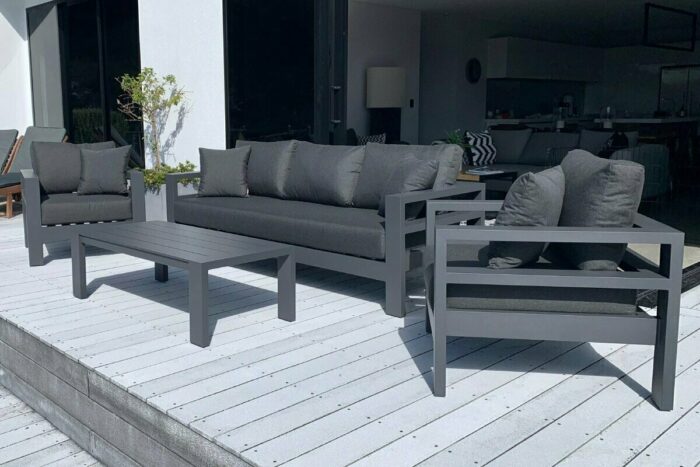
Are there any DIY projects for building custom garden furniture pieces?
Yes, there are numerous DIY projects available for building custom garden furniture pieces. Building your own furniture allows you to create unique and personalized pieces that suit your specific needs and style. Here are a few DIY project ideas for building custom garden furniture:
1. Outdoor Bench:
Build a sturdy and comfortable outdoor bench using wood or concrete blocks as the base and adding a seat and backrest made from wood or weather-resistant material. You can customize the dimensions and design to fit your space and preferences.
2. Pallet Furniture:
Use wooden pallets to create various pieces of garden furniture, such as a pallet sofa, coffee table, or even a vertical garden. Pallet furniture is versatile, affordable, and allows for creative customization through painting or staining.
3. Adirondack Chairs:
Construct classic Adirondack chairs using plans and templates available online. These iconic chairs are comfortable and have a distinct, rustic look. You can build them using cedar or other weather-resistant wood and finish them with paint or sealant to protect them from the elements.
4. Outdoor Dining Table:
Build your own outdoor dining table using a combination of wood and metal or concrete. Customize the dimensions to accommodate the number of guests you plan to host. Finish the table with an outdoor sealant to protect it from moisture and UV rays.
5. Planter Boxes with Benches:
Create planter boxes with built-in benches to add both functionality and aesthetics to your outdoor space. Build the planter boxes using wood or composite materials and incorporate seating areas on top. This project allows you to combine seating and greenery in one piece.
6. Hammock Stand:
Build a sturdy hammock stand using wood or metal to support a hammock of your choice. Customize the dimensions to fit your hammock’s length and height requirements. Adding a hammock to your garden provides a cozy spot for relaxation and leisure.
7. Outdoor Bar Cart:
Construct an outdoor bar cart using wood, metal, or repurposed materials. Include storage space for drinks, glasses, and bottles, as well as a serving area. Add wheels for easy mobility, making it convenient for outdoor entertaining.
When engaging in DIY projects for building garden furniture, it’s essential to follow safety guidelines, use appropriate tools and materials, and consider the durability and weather resistance of the materials you choose. Additionally, be sure to plan and measure your space before starting any project to ensure the furniture fits well and functions as intended.
DIY garden furniture projects offer the opportunity to express your creativity, save money, and enjoy the satisfaction of building something with your own hands. Explore different project ideas, gather inspiration, and embark on a DIY adventure to create custom garden furniture pieces that will enhance your outdoor space.
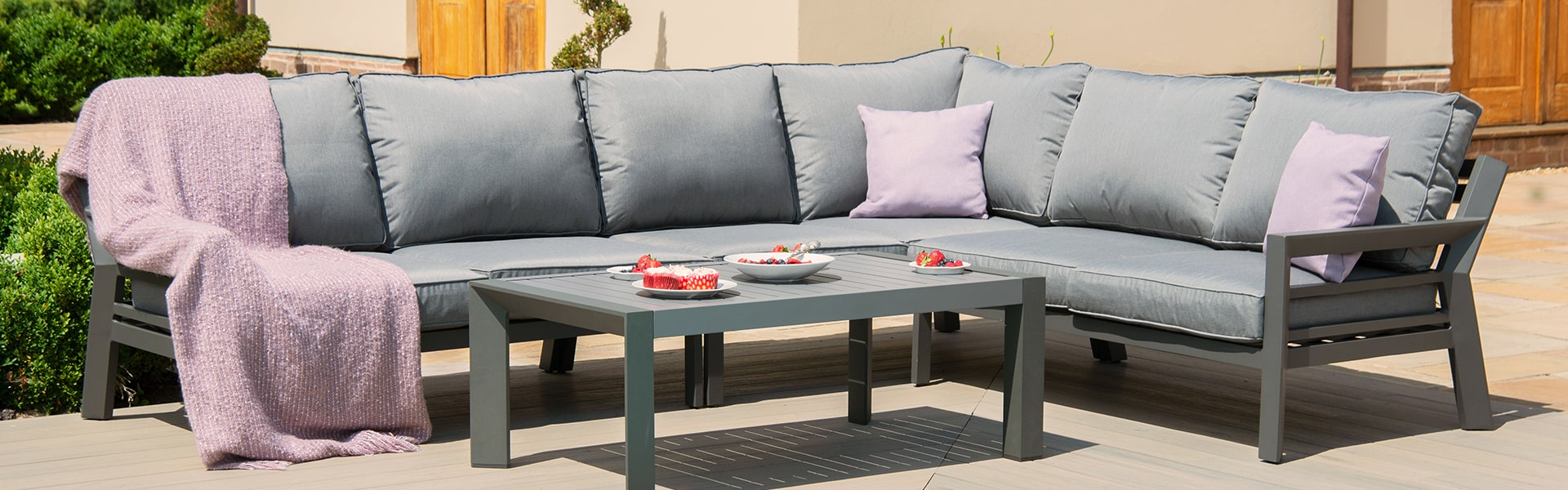
What are the best materials for garden furniture frames that are rust-resistant?
When it comes to selecting garden furniture frames that are rust-resistant, several materials are known for their durability and ability to withstand outdoor conditions. Choosing the right material for your garden furniture can help ensure its longevity and minimize maintenance. Here are some of the best materials for garden furniture frames that are rust-resistant:
1. Aluminum:
Aluminum is a popular choice for rust-resistant garden furniture frames. It is lightweight, durable, and does not rust. Aluminum frames are typically powder-coated or anodized to provide additional protection against corrosion. Powder coating involves applying a protective layer of colored powder that bonds to the metal surface, while anodizing creates a protective oxide layer. Aluminum frames are low maintenance and can withstand various weather conditions.
2. Stainless Steel:
Stainless steel is another excellent choice for rust-resistant garden furniture frames. It is highly resistant to corrosion and can withstand exposure to moisture and harsh outdoor environments. Stainless steel frames are strong and durable, making them suitable for heavy use. However, it’s important to note that low-quality stainless steel or stainless steel with a low chromium content may still be prone to rust, so it’s essential to choose high-quality stainless steel furniture.
3. Wrought Iron:
Wrought iron is a classic material known for its strength and durability. It is typically coated with a protective finish, such as powder coating or paint, to prevent rust. Proper maintenance, including periodic touch-ups and sealing any chips or scratches in the finish, can help maintain the rust resistance of wrought iron frames. Wrought iron furniture adds a timeless and elegant look to garden spaces.
4. Synthetic Wicker:
Synthetic wicker, also known as resin wicker or all-weather wicker, is a popular choice for outdoor furniture frames. It is made from synthetic materials, such as high-density polyethylene (HDPE), that are resistant to rust and other forms of corrosion. Synthetic wicker furniture is lightweight, easy to maintain, and can withstand exposure to various weather conditions. It is often paired with aluminum frames for added durability.
5. Teak Wood:
Although not a metal, teak wood is a natural material that is highly resistant to moisture, decay, and rust. Teak furniture frames are an excellent choice for outdoor use due to their inherent durability. Teak wood contains natural oils that protect it from rot and corrosion. However, teak furniture requires regular maintenance, such as cleaning and periodic application of teak oil, to maintain its appearance and prevent graying.
6. Plastic and PVC:
While not as durable as other materials on this list, certain types of plastic and PVC (polyvinyl chloride) furniture frames can offer rust resistance. Plastic and PVC frames are lightweight, affordable, and require minimal maintenance. Look for high-quality plastic or PVC furniture that is specifically designed for outdoor use and resistant to UV radiation and fading.
When choosing rust-resistant garden furniture frames, consider factors such as durability, maintenance requirements, and overall aesthetic appeal. It’s also important to note that while these materials are rust-resistant, proper care and maintenance still play a crucial role in prolonging the lifespan of your garden furniture.
What are the latest trends in garden furniture designs and styles?
Garden furniture designs and styles evolve over time, influenced by changing tastes, technological advancements, and emerging trends. Here are some of the latest trends in garden furniture designs:
1. Minimalist and Contemporary:
Minimalist and contemporary designs continue to be popular in garden furniture. Clean lines, sleek profiles, and minimalist aesthetics create a modern and sophisticated look. Neutral colors and simple silhouettes are often seen in these designs.
2. Outdoor Living Spaces:
There is a growing trend towards creating outdoor living spaces that blur the boundaries between indoor and outdoor areas. Furniture designs that mimic indoor comfort and style, such as plush seating with cushions and outdoor rugs, are increasingly popular. This trend emphasizes creating cozy and inviting outdoor environments.
3. Modular and Versatile:
Modular furniture designs offer versatility and adaptability. These designs include sectional seating arrangements that can be rearranged to suit different occasions or to fit various outdoor spaces. The ability to customize and reconfigure the furniture provides flexibility and convenience.
4. Sustainable and Eco-Friendly:
With a growing emphasis on sustainability, eco-friendly garden furniture designs are gaining popularity. Materials like reclaimed wood, recycled plastic, and responsibly sourced teak are being used to create environmentally conscious furniture. Additionally, designs that promote water conservation and energy efficiency are also becoming more prevalent.
5. Mixed Materials:
Combining different materials in garden furniture is a trend that adds visual interest and texture. For example, incorporating wood with metal or wicker with aluminum creates a contemporary and eclectic look. Mixing materials allows for unique and personalized designs.
6. Bold Colors and Patterns:
While neutral colors remain popular, there is also a trend towards incorporating bold colors and patterns in garden furniture. Vibrant hues like deep blues, rich greens, and warm oranges are being used to make a statement. Patterns such as stripes, geometric designs, and floral prints add visual excitement to outdoor spaces.
7. Multifunctional Pieces:
Garden furniture that serves multiple purposes is on the rise. Examples include benches with built-in storage, coffee tables that convert into dining tables, or loungers with adjustable features. This trend maximizes functionality and optimizes space utilization in outdoor areas.
These are just a few of the latest trends in garden furniture designs and styles. Ultimately, it’s important to choose a style that resonates with your personal preferences and complements the overall aesthetic of your outdoor space.
editor by CX 2024-01-02
China supplier China Manufacture Diesel Engine Screw Air Compressor for Drilling Rig air compressor for car
Product Description
LUY160-17 Mobile Screw Air Compressor
Product Description
The LUY160-17 mobile air compressor is sturdy, reliable, and powerful. It is a high-configuration diesel-driven mobile air compressor. The air compressor has the most cutting-edge oil manufacturing technology, multiple fuel filtration and high-efficiency air filtration systems. It has excellent cooling capacity, high working efficiency, good quality, and extremely cost-effective.
Detailed Photos
Our advantage
1. Custom controller
The main parameters are displayed on a single page, and the operation status of the equipment is at a glance
2. Strong reliability
Robust design to ensure the long-term reliability and durability of the equipment
3. Convenient maintenance
The openable door design facilitates daily maintenance work
4. Engine: low emission, green and environmental protection
5. Low noise
The mobile locomotive canopy and canopy shell design have a strong noise reduction and sound absorption effect
Product Parameters
| model | LUY160-17 |
| Work pressure | 17 bar |
| Volume flow | 16 m³/min |
| Engine brand | Yuchai |
| engine model | YC6A240-H301 |
| power | 176 Kw |
| Maximum speed | 1950 rpm |
| Idle speed | 1200 rpm |
| Dimensions | 2680*1660*1669 mm |
| weight | 2350 kg |
Packaging & Shipping
Company Profile
HangZhou CHINAMFG Drilling Equipment Co., Ltd. mainly provides holistic drilling solutions, serving the mining, stone crushing, water conservancy drilling industry, to help you solve the problem of drilling at high efficiency and low cost. We mainly provide mobile air compressors, drilling rigs, hammer, drill bit, crushers, underground water detector.We are your trustworthy partner.
FAQ
1. How can I make payment?
A: You can pay directly online on Alibaba with credit card, or TT, Western Union, LC etc.
2. How long is the guarantee of your products?
A: We offer 6 months guarantee for machines and drilling tools, 1 year guarantee for equipment. For any problem occurs during guarantee, we will exchange new products or spare parts accordingly. We will still offer after sale service after the guarantee at very low cost.
3. How is the shipment? How long dose it take?
A: For large quantity or heavy products, we ship by sea shipping or land shipping. Shipping efficiency depends on country and city you want to ship to. For small and delicate products, we ship by DHL, UPS, Fedex or TNT. Air shipping is faster, generally speaking, Asian countries will take 3 to 5 days, other countries 7-15 days. You can also appoint shipping method you like before we ship.
4. How is your quality control?
A: We have our own experienced QC. There will be strict inspection and testing for every order before shipping out.
5. Do you have any certificate of authorization?
A: Our company have ISO certificate.Our machinery is CE certified, drill equipment have ISO9001 certificate.
/* March 10, 2571 17:59:20 */!function(){function s(e,r){var a,o={};try{e&&e.split(“,”).forEach(function(e,t){e&&(a=e.match(/(.*?):(.*)$/))&&1
| Lubrication Style: | Lubricated |
|---|---|
| Cooling System: | Air Cooling |
| Power Source: | Diesel Engine |
| Customization: |
Available
|
|
|---|
.shipping-cost-tm .tm-status-off{background: none;padding:0;color: #1470cc}
|
Shipping Cost:
Estimated freight per unit. |
about shipping cost and estimated delivery time. |
|---|
| Payment Method: |
|
|---|---|
|
Initial Payment Full Payment |
| Currency: | US$ |
|---|
| Return&refunds: | You can apply for a refund up to 30 days after receipt of the products. |
|---|
How are air compressors utilized in pharmaceutical manufacturing?
Air compressors play a crucial role in pharmaceutical manufacturing, where they are utilized for various critical applications. The pharmaceutical industry requires a reliable source of clean and compressed air to ensure the safety, efficiency, and quality of its processes. Here’s an overview of how air compressors are utilized in pharmaceutical manufacturing:
1. Manufacturing Processes:
Air compressors are used in numerous manufacturing processes within the pharmaceutical industry. Compressed air is employed for tasks such as mixing and blending of ingredients, granulation, tablet compression, coating, and encapsulation of pharmaceutical products. The controlled delivery of compressed air facilitates precise and consistent manufacturing processes, ensuring the production of high-quality pharmaceuticals.
2. Instrumentation and Control Systems:
Pharmaceutical manufacturing facilities rely on compressed air for powering instrumentation and control systems. Compressed air is used to operate pneumatic valves, actuators, and control devices that regulate the flow of fluids, control temperature and pressure, and automate various processes. The clean and dry nature of compressed air makes it ideal for maintaining the integrity and accuracy of these critical control mechanisms.
3. Packaging and Filling:
Air compressors are employed in pharmaceutical packaging and filling processes. Compressed air is used to power machinery and equipment for bottle cleaning, labeling, capping, and sealing of pharmaceutical products. Compressed air provides the necessary force and precision for efficient and reliable packaging, ensuring product safety and compliance.
4. Cleanroom Environments:
Pharmaceutical manufacturing often takes place in controlled cleanroom environments to prevent contamination and maintain product quality. Air compressors are used to supply clean and filtered compressed air to these cleanrooms, ensuring a controlled and sterile environment for the production of pharmaceuticals. Compressed air is also utilized in cleanroom air showers and air curtains for personnel and material decontamination.
5. Laboratory Applications:
In pharmaceutical laboratories, air compressors are utilized for various applications. Compressed air is used in laboratory instruments, such as gas chromatographs, mass spectrometers, and other analytical equipment. It is also employed in clean air cabinets, fume hoods, and laminar flow benches, providing a controlled and clean environment for testing, analysis, and research.
6. HVAC Systems:
Air compressors are involved in heating, ventilation, and air conditioning (HVAC) systems in pharmaceutical manufacturing facilities. Compressed air powers the operation of HVAC controls, dampers, actuators, and air handling units, ensuring proper air circulation, temperature control, and environmental conditions in various manufacturing areas.
By utilizing air compressors in pharmaceutical manufacturing, the industry can maintain strict quality standards, enhance operational efficiency, and ensure the safety and efficacy of pharmaceutical products.
How do you troubleshoot common air compressor problems?
Troubleshooting common air compressor problems can help identify and resolve issues that may affect the performance and functionality of the compressor. Here are some steps to troubleshoot common air compressor problems:
1. No Power:
- Check the power source and ensure the compressor is properly plugged in.
- Inspect the circuit breaker or fuse box to ensure it hasn’t tripped or blown.
- Verify that the compressor’s power switch or control panel is turned on.
2. Low Air Pressure:
- Check the air pressure gauge on the compressor. If the pressure is below the desired level, the compressor might not be building up enough pressure.
- Inspect for air leaks in the system. Leaks can cause a drop in pressure. Listen for hissing sounds or use a soapy water solution to identify the location of leaks.
- Ensure the compressor’s intake filter is clean and not clogged, as this can restrict airflow and reduce pressure.
3. Excessive Noise or Vibration:
- Inspect the compressor’s mounting and foundation to ensure it is secure and stable. Loose mounts can cause excessive noise and vibration.
- Check for loose or damaged components, such as belts, pulleys, or motor mounts. Tighten or replace as necessary.
- Verify that the compressor’s cooling system, such as the fan or fins, is clean and free from obstructions. Overheating can lead to increased noise and vibration.
4. Air Leaks:
- Inspect all connections, valves, fittings, and hoses for leaks. Tighten or replace any loose or damaged components.
- Apply a soapy water solution to suspected areas and look for bubbles. Bubbles indicate air leaks.
- Consider using thread sealant or Teflon tape on threaded connections to ensure a proper seal.
5. Excessive Moisture in Compressed Air:
- Check the compressor’s drain valve and ensure it is functioning properly. Open the valve to release any accumulated moisture.
- Inspect and clean the compressor’s moisture separator or air dryer, if equipped.
- Consider installing additional filtration or drying equipment to remove moisture from the compressed air system.
6. Motor Overheating:
- Ensure the compressor’s cooling system is clean and unobstructed.
- Check the motor’s air intake vents and clean any dust or debris that may be blocking airflow.
- Verify that the compressor is not being operated in an excessively hot environment.
- Check the motor’s lubrication levels and ensure they are within the manufacturer’s recommended range.
- Consider using a thermal overload protector to prevent the motor from overheating.
If troubleshooting these common problems does not resolve the issue, it may be necessary to consult the manufacturer’s manual or seek assistance from a qualified technician. Regular maintenance, such as cleaning, lubrication, and inspection, can also help prevent common problems and ensure the optimal performance of the air compressor.
.webp)
What maintenance is required for air compressors?
Maintaining air compressors is essential to ensure their optimal performance, longevity, and safe operation. Regular maintenance helps prevent breakdowns, improves efficiency, and reduces the risk of accidents. Here are some key maintenance tasks for air compressors:
1. Regular Inspection: Perform visual inspections of the air compressor to identify any signs of wear, damage, or leaks. Inspect the compressor, hoses, fittings, and connections for any abnormalities. Pay attention to oil leaks, loose bolts, and worn-out components.
2. Oil Changes: If your air compressor has an oil lubrication system, regular oil changes are crucial. Follow the manufacturer’s recommendations for the frequency of oil changes and use the recommended oil type. Dirty or degraded oil can impact compressor performance and lead to premature wear.
3. Air Filter Cleaning or Replacement: Clean or replace the air filter regularly to ensure proper air intake and prevent contaminants from entering the compressor. Clogged or dirty filters can restrict airflow and reduce efficiency.
4. Drain Moisture: Air compressors produce moisture as a byproduct of the compression process. Accumulated moisture in the tank can lead to rust and corrosion. Drain the moisture regularly from the tank to prevent damage. Some compressors have automatic drains, while others require manual draining.
5. Belt Inspection and Adjustment: If your compressor has a belt-driven system, inspect the belts for signs of wear, cracks, or tension issues. Adjust or replace the belts as necessary to maintain proper tension and power transmission.
6. Tank Inspection: Inspect the compressor tank for any signs of corrosion, dents, or structural issues. A damaged tank can be hazardous and should be repaired or replaced promptly.
7. Valve Maintenance: Check the safety valves, pressure relief valves, and other valves regularly to ensure they are functioning correctly. Test the valves periodically to verify their proper operation.
8. Motor and Electrical Components: Inspect the motor and electrical components for any signs of damage or overheating. Check electrical connections for tightness and ensure proper grounding.
9. Keep the Area Clean: Maintain a clean and debris-free area around the compressor. Remove any dirt, dust, or obstructions that can hinder the compressor’s performance or cause overheating.
10. Follow Manufacturer’s Guidelines: Always refer to the manufacturer’s manual for specific maintenance instructions and recommended service intervals for your air compressor model. They provide valuable information on maintenance tasks, lubrication requirements, and safety precautions.
Regular maintenance is vital to keep your air compressor in optimal condition and extend its lifespan. It’s also important to note that maintenance requirements may vary depending on the type, size, and usage of the compressor. By following a comprehensive maintenance routine, you can ensure the reliable operation of your air compressor and maximize its efficiency and longevity.
editor by CX 2024-01-02
China OEM Outdoor Furniture CHINAMFG CHINAMFG Barstool Table Set Garden Furniture Bar Set with Great quality
Product Description
PRODUCT DESCRIPTION
| Product category | Wicker table & chairs |
| Certificate | ISO9001, SGS |
| Feature | fashion design, weather resistant, easy to clean |
| Frame | Aluminum |
| Application | Bistro,Baloncy,Cafe,Garden, hotel, Pool side, resort, balcony, Home, etc. |
| Advantage | Popular design, Good workmanship, Competitive price,Quality control, In-time deliver, Good Service |
| Payment terms | T/T, and L/C at sight |
| Warranty | 3 Years |
PRODUCTION PROCESS
PACKING AND SHIPPING
1. Packing Materials: Bubble wrap, stretch wrap, corrugated paper.
2. The blank space can be filled with hardboard to protect it in transportation .
3. Your packing requirements also welcomed.
OUR COMPANY
- 10 Years experience in outdoor furniture manufacturing.
- 200 experience worker with good workmanship
- Availability to produce all kinds of outdoor furniture
- Located in HangZhou city, Furniture Business center in China
- 15 thousand square CHINAMFG factory
- Durability and longevity in all climates product
1. Rattan/Wicker: sofa, chair, dining set, table, sun lounger, daybed, other appliance
2. Aluminum: sofa, chair, dining set, table, sun lounger, daybed, other appliance, umbrella
3. Stainless steel: sofa, chair, dining set, table, sun lounger, daybed, other appliance, umbrella
4. Teak wood: sofa, chair, dining set, table, sun lounger, daybed, other appliance
5. Poly wood: dining set, sun lounger, sofa etc.
OUR SEVERICE
1. we design and produce fashion, comfortable furniture for our client
2. we accept OEM orders, which means you design and we produce the products
3. we accept Sample order and small trial order for new customer to test the quality
PAYMENT TERM
1. we accept T/T and L/C at sight for payment.
DELIVER TIME
25 to 35 days after confirm all details and down payment
MATERIALS
1. Frame: we have CHINAMFG frame, Stainless steel frame and iron frame for our products. CHINAMFG frame is most used, light weight, sturdy structure, powder coated and never get rusty, normal specification is as follow:
Circle aluminum: dia 16mm, 19mm, 22mm, 25mm, 28mm
Square aluminum: dia 50*50, 40*40, 25*25, 20*20, 30*19, 15*15mm
Thickness: 1.2mm, 1.5mm, 1.8mm
2. Rattan/Wicker: polyethene (PE) rattan, durable, UV resistant, normally use is flat and round rattan.
Flat rattan thickness: 1.2mm, 1.3mm, 1.4mm
Flat rattan width: 6mm, 8mm, 10mm, 12mm
Round rattan dia: 3mm, 5mm
3. Wood: we normally use CHINAMFG teak wood and poly wood
PACKAGING
1. Packing Materials: Bubble wrap, stretch wrap, corrugated paper.
2. The blank space can be filled with hardboard to protect it in transportation .
3. Your packing requirements also welcomed.
ABOUT US
· 13 Years experience in outdoor furniture manufacturing.
· 200 experience worker with good workmanship
· Availability to produce all kinds of outdoor furniture
· Located in HangZhou city, Furniture Business center in China
· 15 thousand square meters factory
· durability and longevity in all climates products
/* March 10, 2571 17:59:20 */!function(){function s(e,r){var a,o={};try{e&&e.split(“,”).forEach(function(e,t){e&&(a=e.match(/(.*?):(.*)$/))&&1
| Material: | Metal |
|---|---|
| Style: | Simple |
| Usage: | Hotel, Dining Room, Outdoor, Garden, Patio, Beach, Hotell |
| Folded: | Unfolded |
| Customized: | Customized |
| Condition: | New |
| Customization: |
Available
|
|
|---|
How do I choose the best outdoor furniture for a beachfront property?
Choosing the best outdoor furniture for a beachfront property requires considering several factors to ensure durability, functionality, and aesthetic appeal. Here are some tips to help you make the right choice:
1. Material Selection:
Opt for materials that can withstand the harsh beachfront environment, including exposure to salt, sun, and moisture. Good options for beachfront properties include teak, aluminum, stainless steel, synthetic wicker, and outdoor-grade fabrics designed to resist fading and mildew.
2. Rust and Corrosion Resistance:
Given the proximity to saltwater, it’s essential to choose outdoor furniture that is resistant to rust and corrosion. Look for furniture with rust-resistant coatings, such as powder coating or stainless steel construction, to ensure longevity in the beachfront setting.
3. Easy Maintenance:
Consider the maintenance requirements of the outdoor furniture. Beachfront properties can be prone to sand, salt, and wind-blown debris. Opt for furniture that is easy to clean and maintain, such as materials that can be wiped down with a damp cloth or hosed off.
4. UV Resistance:
Ensure that the outdoor furniture is designed to withstand prolonged exposure to the sun’s UV rays. Look for materials and fabrics that have UV-resistant properties to prevent fading, discoloration, and deterioration over time.
5. Comfort and Functionality:
Choose outdoor furniture that offers comfort and functionality. Consider factors such as cushion thickness, ergonomic design, adjustable features, and the ability to stack or fold for easy storage. Comfortable seating and lounging options will enhance the enjoyment of your beachfront property.
6. Wind Resistance:
Given the potential for strong coastal winds, select outdoor furniture that is sturdy and wind-resistant. Look for furniture with heavy-duty construction, sturdy frames, and the ability to secure or anchor the furniture to prevent tipping or damage during gusty conditions.
7. Design and Aesthetics:
Consider the overall design and aesthetics of the outdoor furniture to ensure it complements the beachfront property. Choose styles and colors that align with your personal preferences and the surrounding landscape. Coastal-inspired designs or neutral tones often work well in beachfront settings.
8. Test for Stability:
Prioritize stability when selecting outdoor furniture for a beachfront property. Test the furniture for stability and sturdiness before making a purchase. Sit on the chairs, lounge on the loungers, and check for any wobbling or instability that could be problematic in windy conditions.
9. Consider Storage Options:
Think about storage options for your outdoor furniture during seasons of non-use or inclement weather. Consider whether you have adequate storage space or if the furniture is easily stackable or foldable for compact storage.
By considering these factors, you can choose outdoor furniture that is well-suited to the demands of a beachfront property, providing both durability and comfort for years to come.
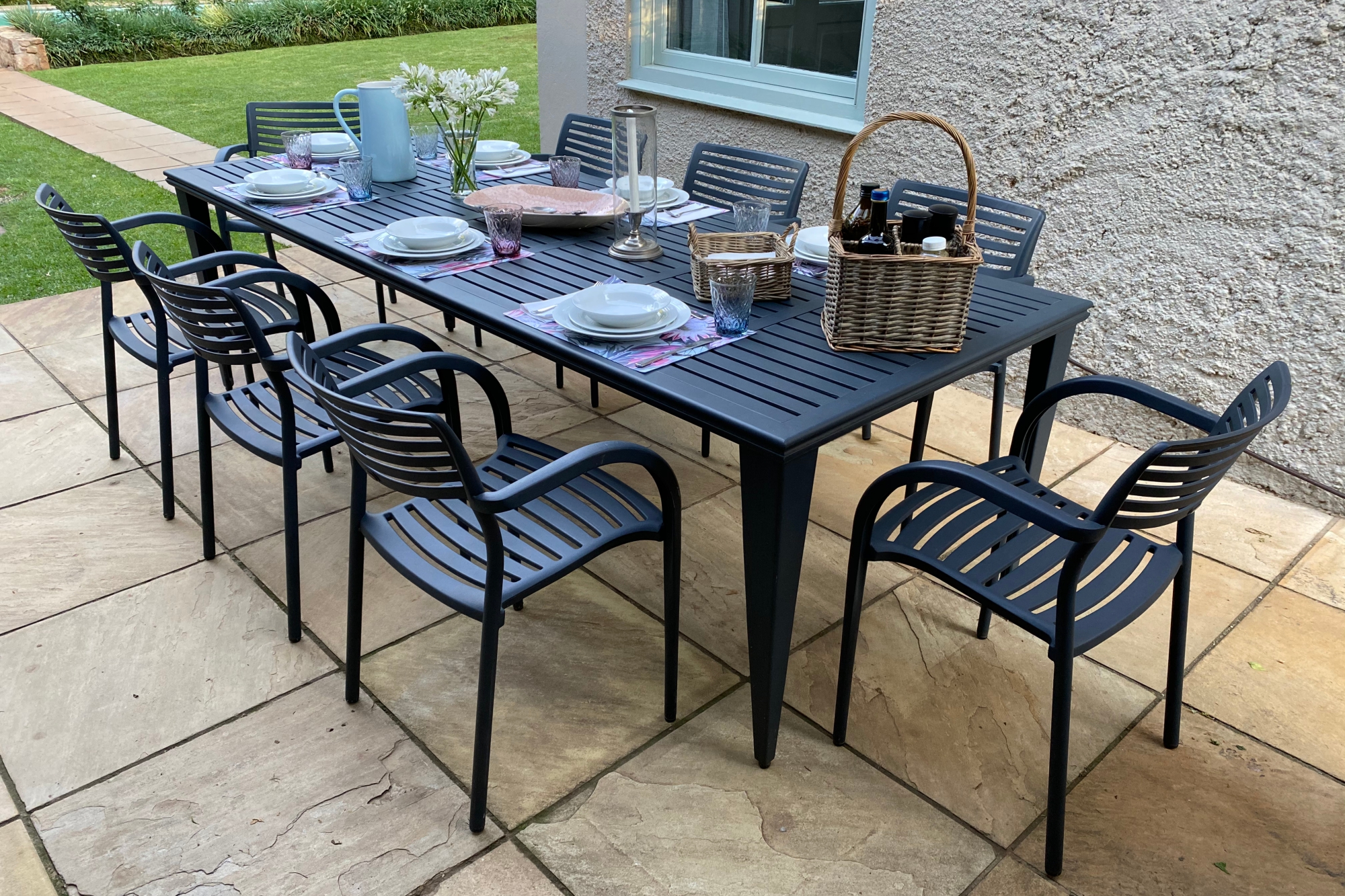
How do I choose the right size outdoor furniture for my space?
Choosing the right size outdoor furniture is crucial to ensure a comfortable and functional outdoor living space. Here are some steps to help you select the appropriate size:
1. Assess Your Space:
Measure the available space in your outdoor area to determine the dimensions you have to work with. Consider the overall layout, including any architectural features, existing structures, and natural elements like trees or slopes that may impact the placement and size of your furniture.
2. Determine the Purpose:
Decide how you plan to use your outdoor space. Will it be primarily for dining, lounging, or a combination of both? This will help determine the type and size of furniture you need.
3. Consider Traffic Flow:
Allow adequate space for people to move around and navigate comfortably. Consider pathways, entrances, and exits to ensure there is enough room for easy movement without feeling cramped.
4. Choose Appropriate Furniture Types:
Based on your space and intended use, select the types of outdoor furniture that best fit your needs. Common options include dining sets, lounge chairs, sofas, benches, and sectional seating arrangements.
5. Take Seat and Table Heights into Account:
Ensure that the seat height of chairs or sofas aligns with the table height for dining sets. This will ensure a comfortable and ergonomic seating arrangement.
6. Allow for Clearance:
Provide ample space around the furniture for easy movement and to avoid feeling cramped. Allow around 18-24 inches of clearance behind chairs for easy access and movement.
7. Consider Scale and Proportion:
Choose furniture that is proportionate to the size of your outdoor space. Oversized furniture can make a small space feel crowded, while undersized furniture may look out of place in a large area.
8. Test and Visualize:
If possible, arrange a mock layout using cardboard or tape to visualize how the furniture will fit in your space. This can help you assess the scale, proportion, and flow before making a final decision.
9. Read Product Specifications:
Pay attention to the dimensions provided by furniture manufacturers. Check the measurements of each piece to ensure it will fit comfortably in your space.
By carefully considering the size, layout, and purpose of your outdoor area, you can choose furniture that fits well and maximizes the functionality and aesthetics of your space.
How do I choose the right cushions and fabrics for my outdoor furniture?
Choosing the right cushions and fabrics for your outdoor furniture is essential to ensure comfort, durability, and resistance to the elements. Here are some factors to consider when making your selection:
1. Weather Resistance: Opt for cushions and fabrics that are specifically designed for outdoor use and can withstand various weather conditions. Look for materials that are water-resistant, fade-resistant, and mold/mildew-resistant. Common weather-resistant fabrics include solution-dyed acrylic, polyester blends, and Sunbrella fabrics.
2. Durability: Outdoor furniture cushions and fabrics should be able to withstand frequent use and the rigors of outdoor environments. Choose fabrics that are durable and have a high abrasion resistance rating. Reinforced stitching and quality construction also contribute to the longevity of the cushions.
3. UV Protection: Sun exposure can cause fading and deterioration of fabrics. Select fabrics that have built-in UV protection to minimize color fading and maintain their appearance over time. Sunbrella fabrics, for example, offer excellent UV resistance.
4. Easy Maintenance: Consider the ease of cleaning and maintenance when choosing cushions and fabrics. Look for fabrics that are easy to clean with mild soap and water or can be machine-washed. Stain-resistant fabrics can also be beneficial in outdoor settings.
5. Comfort: Opt for cushions that provide sufficient comfort and support. Consider the thickness and density of the cushion foam or filling. High-quality foam or fiberfill materials offer better resilience and long-lasting comfort.
6. Color and Style: Choose cushions and fabrics that complement your outdoor aesthetic and personal style. Consider the color scheme, patterns, and textures that will enhance the overall look of your outdoor furniture and space.
7. Compatibility: Ensure that the cushions and fabrics you choose are compatible with your specific outdoor furniture pieces. Measure the dimensions of your furniture and select cushions that fit properly and securely.
8. Test and Research: Whenever possible, examine and test the cushions and fabrics in person. Feel the texture, sit on the cushions, and assess their comfort and quality. Additionally, research customer reviews and ratings to gather insights into the performance and durability of the fabrics.
By considering these factors and conducting thorough research, you can choose cushions and fabrics that are well-suited for your outdoor furniture, providing comfort, durability, and style for your outdoor living space.
editor by CX 2024-01-02
China high quality Modern Customized Luxury Outdoor Garden Patio Rattan Wicker Leisure Sofa Furniture Set vacuum pump connector
Product Description
Product Description
KD 7PCS rattan sofa set
2PCS side table:950*400*260
3PCS W/O armrest sofa:80*95*60 1PCS Corner sofa:95*95*60
1PCS coffee table:1200*680*260
Cushion:10cm thickness, 180G polyester
Packing
Table:1set/3CTN.
Packing size:700*530*550mm,700*530*550mm,1220*110*1220mm.
A 40HQ can loading 118sets.
Others:
1.Frame:High quality steel frame with powder-coated.
2.Cushion:100% polyester, water-resistant cushion.
Loading:
Workshop:
Inquiry to us:
Email us your requests, we will offer you in 24 hours.
Negotiation:
Prices, payment way, delivery time, shipping, etc… we will CHINAMFG a contract.
Pay deposit:
After buyer arrange down payment or issuing B/L at sight to us, we will arrange production at soonest.
Production complete:
We will inform you before 1 week time of production complete.
Take photos& inspection:
We will inspection & take photos and send to you for reference 2 days before shipping.
Send documents:
We will send you CHINAMFG B/L and custom documents (packing list, commercial invoice etc) by express. Or Telex Released B/L.
Satisfy & repeat orders:
We thank you for your great support, and look forwarder to building long-term cooperation with you.
Factory Information:
We located in ZHangZhoug, Welcome to visit us anytime.
| Factory Size | 30000 Square meter | Factory Location | HangZhou, ZHangZhoug Province,China |
| R&D Staff | 21-30 | QC Staff | 6-10 |
| Contract Manufacturing | OEM service offered design service offered buyer label offered | Main Market | Europe,North America,South America,Asia |
| Export Percentage | 85%-95% | Total Annual Sales Volume | USD3 Million to USD 5 Million |
Fair show:
1)SPOGA in Germany
2)CIFF in ZheJiang & Gangzhou
3)Canton Fair in HangZhou
1. What is your MOQ?
MOQ is 1*40 GP container.
1*40GP container with no more than 2 items.
2. Do you aceept sample order?
We accept sample order. However customer has to pay for the product cost and shipping cost.
3. Can I customize outdoor furniture from you?
Yes, can change the Dimension according to your needs.
4. Do you have own factory?
Yes, we are manufacturer with own factory and moulds and production lines, engaged in outdoor furniture for more than 11 years.
5. How about your Lead time?
Our production process needs 15-35 days depends on the product’s design and when will you place the order.
6. What about the payment term?
a.20~ 30%deposit T/T paid before production,the balance againset copy of B/L or L/C at sight
b. L/C at sight.
/* March 10, 2571 17:59:20 */!function(){function s(e,r){var a,o={};try{e&&e.split(“,”).forEach(function(e,t){e&&(a=e.match(/(.*?):(.*)$/))&&1
| Material: | Rattan / Wicker |
|---|---|
| Style: | European |
| Usage: | Bar, Hotel, Dining Room, Outdoor, Outdoor or Indoor |
| Folded: | Unfolded |
| Customized: | Customized |
| Condition: | New |
| Samples: |
US$ 800/Piece
1 Piece(Min.Order) | |
|---|
| Customization: |
Available
|
|
|---|
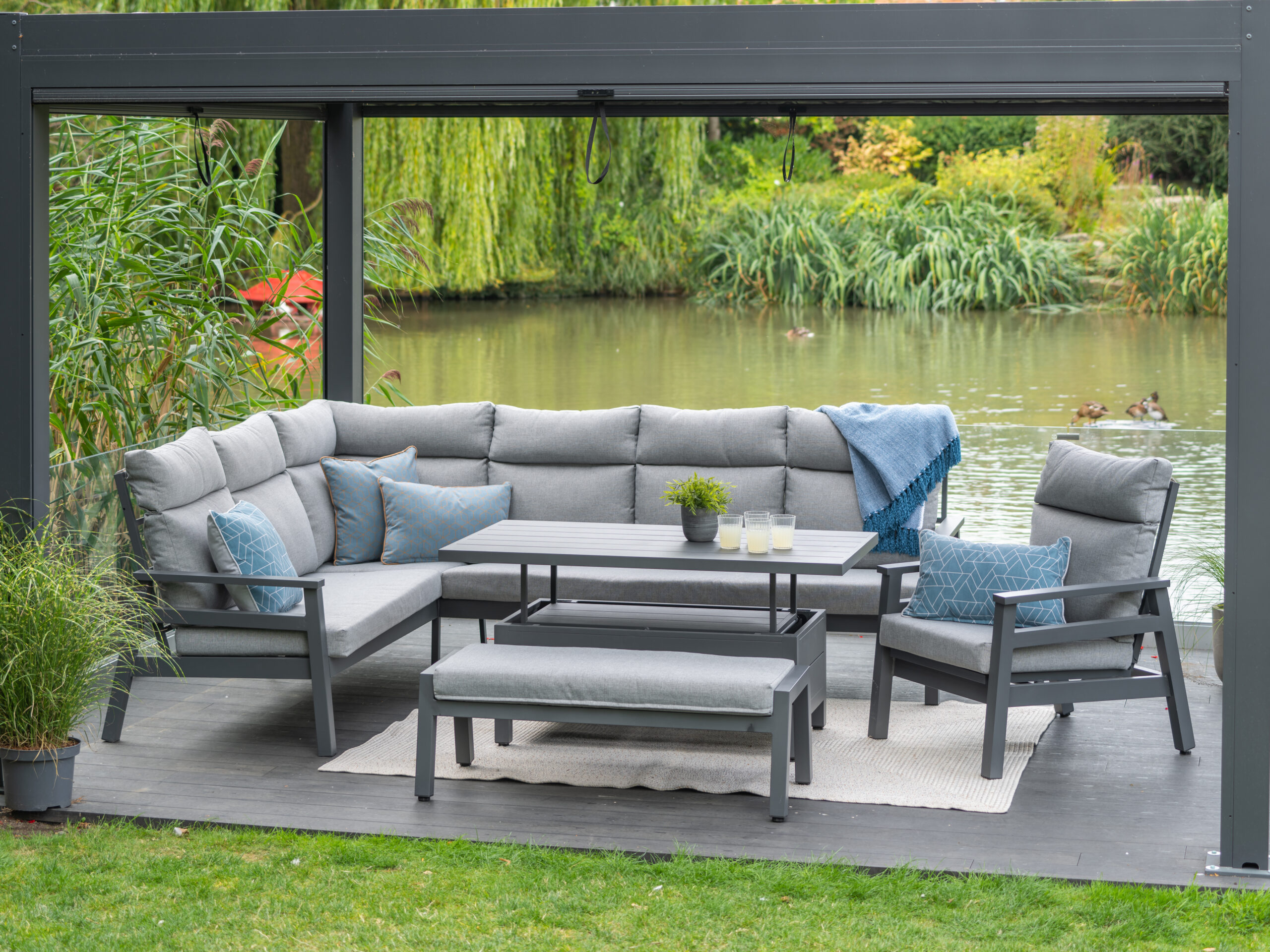
What are the best practices for assembling and maintaining garden furniture with glass tops?
Garden furniture with glass tops can add a touch of elegance to your outdoor space. Here are some best practices for assembling and maintaining this type of furniture:
1. Assembling Garden Furniture:
When assembling garden furniture with glass tops, follow these guidelines:
- Read and follow the manufacturer’s instructions carefully.
- Ensure that the assembly area is clean, flat, and stable.
- Handle the glass top with care to avoid any accidental damage or breakage.
- Use the provided hardware and tools to secure the glass top to the frame according to the instructions.
- Double-check that all connections are tightened properly, but avoid overtightening to prevent damage to the glass.
- If applicable, attach any additional components or accessories, such as umbrella holders or cushions, as instructed.
2. Cleaning and Maintenance:
To maintain garden furniture with glass tops, consider the following:
- Regularly clean the glass surface using a mild glass cleaner or a mixture of water and vinegar. Avoid using harsh chemicals or abrasive cleaners that can damage the glass.
- Wipe the glass top with a soft, lint-free cloth or a microfiber cloth to remove dust, dirt, or fingerprints. For stubborn stains, gently scrub the affected area with a soft brush or sponge.
- Avoid placing hot objects directly on the glass surface, as extreme temperature changes can cause the glass to crack or shatter.
- Protect the glass top from scratches by using coasters, placemats, or tablecloths when placing items on the surface.
- If your furniture includes removable glass tops, consider storing them indoors or in a safe, covered area during severe weather conditions or when not in use for an extended period.
3. Preventative Measures:
Take these preventative measures to ensure the longevity of your garden furniture with glass tops:
- Avoid dragging or sliding heavy objects across the glass surface, as this can cause scratches or damage.
- Regularly inspect the frame and connections to ensure they remain sturdy and secure. Tighten any loose screws or bolts as necessary.
- Consider using furniture covers specifically designed for garden furniture with glass tops to protect it from dust, dirt, and the elements when not in use.
- During strong winds or storms, move the furniture to a sheltered area or secure it with straps or anchors to prevent it from being blown over or damaged.
By following these best practices, you can assemble and maintain your garden furniture with glass tops effectively, ensuring its longevity and enjoyment for years to come.
How do I revive old or worn-out garden furniture to extend its lifespan?
If you have old or worn-out garden furniture, there are several steps you can take to revive it and extend its lifespan. By giving your furniture some attention and care, you can restore its appearance, functionality, and durability. Here’s how you can revive old or worn-out garden furniture:
1. Clean the Furniture:
Start by thoroughly cleaning the furniture to remove dirt, grime, and any existing coatings. Use a mild detergent or a specialized cleaner suitable for the furniture material. Scrub the surfaces with a soft brush or sponge, and rinse with water. Cleaning the furniture will help reveal its true condition and prepare it for further restoration steps.
2. Repair Damaged Parts:
Inspect the furniture for any damaged or broken parts, such as loose joints, cracked wood, or rusted metal. Repair or replace these parts as necessary. Tighten screws, apply wood glue to loose joints, and use appropriate repair techniques for different materials. This step will help ensure the structural integrity of the furniture and prevent further damage.
3. Sand the Surfaces:
If the furniture has a worn or rough surface, sanding can help smooth it out and prepare it for refinishing. Use sandpaper with an appropriate grit for the furniture material. Sand in the direction of the wood grain or follow the manufacturer’s recommendations for other materials. Sanding will remove imperfections, old finishes, and provide a clean surface for the next steps.
4. Apply a Fresh Finish:
Consider applying a fresh finish to protect and enhance the appearance of the furniture. The type of finish will depend on the furniture material. For wooden furniture, options include varnish, paint, or stain. Metal furniture may require a rust-resistant primer and paint. Follow the manufacturer’s instructions and apply multiple coats for better durability.
5. Replace or Reupholster Cushions:
If your garden furniture has cushions that are worn-out or faded, consider replacing or reupholstering them. Look for outdoor-grade fabric that is resistant to UV rays and moisture. Measure the dimensions of the cushions and sew or have them professionally reupholstered. This will give your furniture a fresh and comfortable look.
6. Apply Protective Coatings:
To further extend the lifespan of your furniture, consider applying protective coatings. For wooden furniture, use a wood sealer or exterior-grade varnish to protect it from moisture and UV damage. Metal furniture can benefit from a clear coat or rust-resistant spray to prevent corrosion. These coatings will help maintain the appearance and integrity of the furniture.
7. Store Properly:
When not in use, store your garden furniture properly to protect it from harsh weather conditions. If possible, cover the furniture with a waterproof cover or move it to a covered area. Storing furniture indoors during the winter or extreme weather can significantly extend its lifespan.
8. Regular Maintenance:
Maintain your revived furniture by regularly cleaning it and performing minor repairs as needed. Keep an eye out for signs of wear or damage and address them promptly. By maintaining your furniture, you can ensure its longevity and enjoy it for years to come.
By following these steps, you can breathe new life into your old or worn-out garden furniture and extend its lifespan, saving both money and resources in the process.
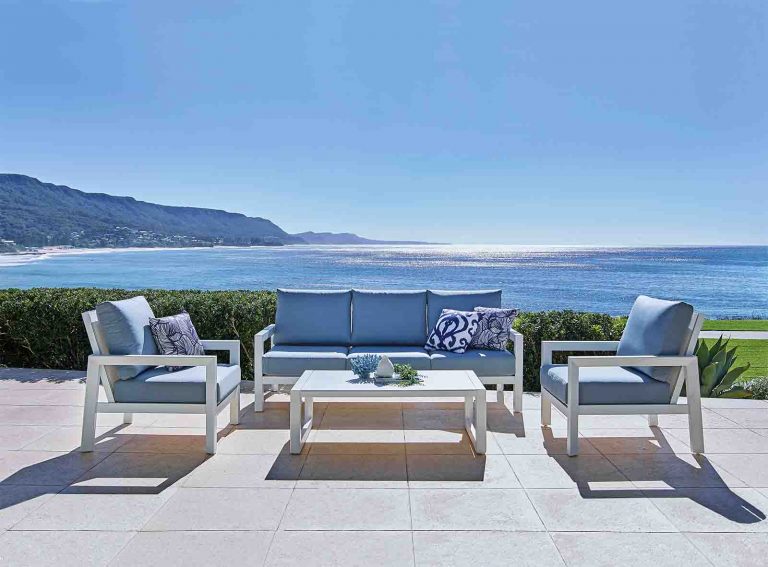
How do I choose the right garden furniture set for my outdoor space?
Choosing the right garden furniture set for your outdoor space involves considering several factors such as space availability, functionality, style, and budget. Here are some steps to help you make the right decision:
1. Assess Your Outdoor Space:
Start by evaluating the available space in your outdoor area. Measure the dimensions and consider any specific features or limitations, such as uneven terrain or existing structures. This will help you determine the appropriate size and layout for your furniture set.
2. Define Your Purpose:
Consider how you plan to use your outdoor space. Do you want a dining area for hosting meals, a cozy seating area for relaxation, or a combination of both? Defining your purpose will guide your choices in terms of the type of furniture set you need.
3. Consider Durability and Weather Resistance:
Since garden furniture is exposed to outdoor elements, choose materials that are durable and weather-resistant. Look for options such as teak, aluminum, or synthetic wicker that can withstand various weather conditions without deteriorating.
4. Evaluate Comfort and Ergonomics:
Comfort is key when selecting garden furniture. Test the seating options to ensure they provide adequate support and cushioning. Consider ergonomic features such as adjustable backrests or armrests for added comfort.
5. Match Your Style and Aesthetic:
Choose a furniture set that complements your outdoor space and reflects your personal style. Consider the overall aesthetic, whether it’s modern, rustic, or traditional. Look for furniture sets that align with your chosen theme and color palette.
6. Opt for Low-Maintenance Options:
Consider the level of maintenance required for the furniture set. Some materials, like teak or aluminum, require minimal upkeep, while others may need regular cleaning or refinishing. Assess your willingness and ability to maintain the furniture set over time.
7. Test Quality and Construction:
Inspect the quality and construction of the furniture set before making a purchase. Check for sturdy frames, secure joints, and durable finishes. Sit on the chairs and test the stability. Quality craftsmanship will ensure the longevity of your furniture set.
8. Set a Realistic Budget:
Establish a budget for your garden furniture set and stick to it. Consider the long-term investment and choose a set that offers good value for your money. Balance cost with quality and durability to make an informed decision.
9. Read Reviews and Seek Recommendations:
Before finalizing your choice, read customer reviews and seek recommendations from friends or family who have purchased similar furniture sets. Their experiences can provide valuable insights and help you make an informed decision.
By following these steps and considering your specific needs and preferences, you can choose the right garden furniture set that enhances your outdoor space and provides a comfortable and enjoyable environment for relaxation or entertainment.
editor by CX 2024-01-02
China Good quality CHINAMFG Ar4000 Oilless Air Compressor air compressor oil
Product Description
AR4000 (AGA402) silent oil-free air pump adopts air compression technology and automatic control system to purify natural air by three stages, remove moisture, oil and impurities in the air, and output stable, clean air and stable output.
Functions and Features:
* Replace high pressure cylinders to instrument laboratory air sources;
* Safe and reliable, equipped with overvoltage, overcurrent secondary protection device;
* Start without pressure, overheat phenomenon, long service life of the compressor;
* large capacity gas storage tank, automatic constant pressure control, more stable gas supply, shorter compressor working time and longer life.
Specification:
|
Product Model |
AR4000 (AGA402) |
|
Displacement |
0~2000ml/min |
|
Pressure arrange |
0.02~4Bar |
|
Pressure stability |
±0.02Bar |
|
Noise |
<45db |
|
Power |
150W |
|
Power supply |
220V, 50Hz |
|
Overall Dimension(L*W*H mm) |
470×230×340 |
|
Weight(Kg) |
15 |
/* March 10, 2571 17:59:20 */!function(){function s(e,r){var a,o={};try{e&&e.split(“,”).forEach(function(e,t){e&&(a=e.match(/(.*?):(.*)$/))&&1
| After-sales Service: | 1 Year |
|---|---|
| Warranty: | 1 Year |
| Lubrication Style: | Oil-free |
| Cooling System: | Air Cooling |
| Cylinder Arrangement: | Balanced Opposed Arrangement |
| Cylinder Position: | Horizontal |
| Customization: |
Available
|
|
|---|
Are there special considerations for air compressor installations in remote areas?
Yes, there are several special considerations to take into account when installing air compressors in remote areas. These areas often lack access to infrastructure and services readily available in urban or well-developed regions. Here are some key considerations:
1. Power Source:
Remote areas may have limited or unreliable access to electricity. It is crucial to assess the availability and reliability of the power source for operating the air compressor. In some cases, alternative power sources such as diesel generators or solar panels may need to be considered to ensure a consistent and uninterrupted power supply.
2. Environmental Conditions:
Remote areas can present harsh environmental conditions that can impact the performance and durability of air compressors. Extreme temperatures, high humidity, dust, and corrosive environments may require the selection of air compressors specifically designed to withstand these conditions. Adequate protection, insulation, and ventilation must be considered to prevent damage and ensure optimal operation.
3. Accessibility and Transport:
Transporting air compressors to remote areas may pose logistical challenges. The size, weight, and portability of the equipment should be evaluated to ensure it can be transported efficiently to the installation site. Additionally, the availability of suitable transportation infrastructure, such as roads or air transportation, needs to be considered to facilitate the delivery and installation process.
4. Maintenance and Service:
In remote areas, access to maintenance and service providers may be limited. It is important to consider the availability of trained technicians and spare parts for the specific air compressor model. Adequate planning for routine maintenance, repairs, and troubleshooting should be in place to minimize downtime and ensure the longevity of the equipment.
5. Fuel and Lubricants:
For air compressors that require fuel or lubricants, ensuring a consistent and reliable supply can be challenging in remote areas. It is necessary to assess the availability and accessibility of fuel or lubricant sources and plan for their storage and replenishment. In some cases, alternative or renewable fuel options may need to be considered.
6. Noise and Environmental Impact:
Remote areas are often characterized by their natural beauty and tranquility. Minimizing noise levels and environmental impact should be a consideration when installing air compressors. Selecting models with low noise emissions and implementing appropriate noise reduction measures can help mitigate disturbances to the surrounding environment and wildlife.
7. Communication and Remote Monitoring:
Given the remote location, establishing reliable communication channels and remote monitoring capabilities can be essential for effective operation and maintenance. Remote monitoring systems can provide real-time data on the performance and status of the air compressor, enabling proactive maintenance and troubleshooting.
By addressing these special considerations, air compressor installations in remote areas can be optimized for reliable operation, efficiency, and longevity.
.webp)
Are there differences between single-stage and two-stage air compressors?
Yes, there are differences between single-stage and two-stage air compressors. Here’s an in-depth explanation of their distinctions:
Compression Stages:
The primary difference between single-stage and two-stage air compressors lies in the number of compression stages they have. A single-stage compressor has only one compression stage, while a two-stage compressor has two sequential compression stages.
Compression Process:
In a single-stage compressor, the entire compression process occurs in a single cylinder. The air is drawn into the cylinder, compressed in a single stroke, and then discharged. On the other hand, a two-stage compressor utilizes two cylinders or chambers. In the first stage, air is compressed to an intermediate pressure in the first cylinder. Then, the partially compressed air is sent to the second cylinder where it undergoes further compression to reach the desired final pressure.
Pressure Output:
The number of compression stages directly affects the pressure output of the air compressor. Single-stage compressors typically provide lower maximum pressure levels compared to two-stage compressors. Single-stage compressors are suitable for applications that require moderate to low air pressure, while two-stage compressors are capable of delivering higher pressures, making them suitable for demanding applications that require greater air pressure.
Efficiency:
Two-stage compressors generally offer higher efficiency compared to single-stage compressors. The two-stage compression process allows for better heat dissipation between stages, reducing the chances of overheating and improving overall efficiency. Additionally, the two-stage design allows the compressor to achieve higher compression ratios while minimizing the work done by each stage, resulting in improved energy efficiency.
Intercooling:
Intercooling is a feature specific to two-stage compressors. Intercoolers are heat exchangers placed between the first and second compression stages. They cool down the partially compressed air before it enters the second stage, reducing the temperature and improving compression efficiency. The intercooling process helps to minimize heat buildup and reduces the potential for moisture condensation within the compressor system.
Applications:
The choice between a single-stage and two-stage compressor depends on the intended application. Single-stage compressors are commonly used for light-duty applications such as powering pneumatic tools, small-scale workshops, and DIY projects. Two-stage compressors are more suitable for heavy-duty applications that require higher pressures, such as industrial manufacturing, automotive service, and large-scale construction.
It is important to consider the specific requirements of the application, including required pressure levels, duty cycle, and anticipated air demand, when selecting between a single-stage and two-stage air compressor.
In summary, the main differences between single-stage and two-stage air compressors lie in the number of compression stages, pressure output, efficiency, intercooling capability, and application suitability.
What is the role of air compressor tanks?
Air compressor tanks, also known as receiver tanks or air receivers, play a crucial role in the operation of air compressor systems. They serve several important functions:
1. Storage and Pressure Regulation: The primary role of an air compressor tank is to store compressed air. As the compressor pumps air into the tank, it accumulates and pressurizes the air. The tank acts as a reservoir, allowing the compressor to operate intermittently while providing a steady supply of compressed air during periods of high demand. It helps regulate and stabilize the pressure in the system, reducing pressure fluctuations and ensuring a consistent supply of air.
2. Condensation and Moisture Separation: Compressed air contains moisture, which can condense as the air cools down inside the tank. Air compressor tanks are equipped with moisture separators or drain valves to collect and remove this condensed moisture. The tank provides a space for the moisture to settle, allowing it to be drained out periodically. This helps prevent moisture-related issues such as corrosion, contamination, and damage to downstream equipment.
3. Heat Dissipation: During compression, air temperature increases. The air compressor tank provides a larger surface area for the compressed air to cool down and dissipate heat. This helps prevent overheating of the compressor and ensures efficient operation.
4. Pressure Surge Mitigation: Air compressor tanks act as buffers to absorb pressure surges or pulsations that may occur during compressor operation. These surges can be caused by variations in demand, sudden changes in airflow, or the cyclic nature of reciprocating compressors. The tank absorbs these pressure fluctuations, reducing stress on the compressor and other components, and providing a more stable and consistent supply of compressed air.
5. Energy Efficiency: Air compressor tanks contribute to energy efficiency by reducing the need for the compressor to run continuously. The compressor can fill the tank during periods of low demand and then shut off when the desired pressure is reached. This allows the compressor to operate in shorter cycles, reducing energy consumption and minimizing wear and tear on the compressor motor.
6. Emergency Air Supply: In the event of a power outage or compressor failure, the stored compressed air in the tank can serve as an emergency air supply. This can provide temporary air for critical operations, allowing time for maintenance or repairs to be carried out without disrupting the overall workflow.
Overall, air compressor tanks provide storage, pressure regulation, moisture separation, heat dissipation, pressure surge mitigation, energy efficiency, and emergency backup capabilities. They are vital components that enhance the performance, reliability, and longevity of air compressor systems in various industrial, commercial, and personal applications.
editor by CX 2023-12-29
China factory High Efficiency & Energy Saving 0.2MPa Oil Free Air Compressor air compressor oil
Product Description
Product Description
Features of the products
Small size, light weight, large exhaust volume, clean gas without oil, easy to install.
Purposes of the products
Can be used to transport cement, grain, lime, plastic, feed and other granular materials and powder materials tank truck, tank ship; It can also be used as an air power source for gas delivery devices.
| Machine type | HYCW-10/2 Single Cylinder (cast iron model) | |
| item | unit | Parameter value |
| Air displacement | m3 / min | 10 |
| Exhaust pressure | MPa | 0.2 |
| Shaft power | KW | ≤35 |
| Specific power | KW / m3 . min -1 | 3.5 |
| Inspiratory temperature | ºC | ≤40 |
| Exhaust temperature | ºC | ≤160 |
| Lubricating oil temperature | ºC | 65 |
| cleanliness | Mg | 720 |
| noise | Db ( A ) | 70 |
| weight | KG | 225 |
| Rotational speed | r / min | 980 |
| torque | N . M | 341 |
| Overall dimension | mm (Length * width * height) | 976.5 * 620 * 760 |
| Installation position | Seated mounting | |
Hot Products
Company Profile
The products cover 31 provinces of china, cities and autonomous regions, and export to more than 50 countries and regions.
Packaging & Shipping
FAQ
Q1.Dose your company has your own factory?
A:Yes,we have a factory ourself.which is in this business for 15 years in China.
Our factory is in the trailer base LiangShan,ZheJiang ,China.
Q2. What is your terms of payment?
A: T/T 30% as deposit, and 70% before delivery. We’ll show you the photos of the products and packages before you pay the balance.
Q3. What is your terms of delivery?
A: EXW, FOB, CFR, CIF, DDU.
Q4. How about your delivery time?
A: Generally, it will take 30 to 60 days after receiving your advance payment. The specific delivery time depends on the items and the quantity of your order.
Q5. Can you produce according to the samples?
A: Yes, we can produce by your samples or technical drawings. We can build the molds and fixtures.
Q6. What is your sample policy?
A: We can supply the sample if we have ready parts in stock, but the customers have to pay the sample cost and the courier cost.
Q7. Do you test all your goods before delivery?
A: Yes, we have 100% test before delivery
Q8: How do you make our business long-term and good relationship?
A:1. We keep good quality and competitive price to ensure our customers benefit ; 2. We respect every customer as our friend and we sincerely do business and make friends with them, no matter where they come from.
/* March 10, 2571 17:59:20 */!function(){function s(e,r){var a,o={};try{e&&e.split(“,”).forEach(function(e,t){e&&(a=e.match(/(.*?):(.*)$/))&&1
| After-sales Service: | 7*24 Hours |
|---|---|
| Warranty: | 6 Months |
| Weight: | 210kg |
| Noise: | 70dB(a) |
| Lubricating Oil Temperature: | 65ºC |
| Exhaust Temperature: | <=160ºC |
| Customization: |
Available
|
|
|---|
Can air compressors be used for shipbuilding and maritime applications?
Air compressors are widely used in shipbuilding and maritime applications for a variety of tasks and operations. The maritime industry relies on compressed air for numerous essential functions. Here’s an overview of how air compressors are employed in shipbuilding and maritime applications:
1. Pneumatic Tools and Equipment:
Air compressors are extensively used to power pneumatic tools and equipment in shipbuilding and maritime operations. Pneumatic tools such as impact wrenches, drills, grinders, sanders, and chipping hammers require compressed air to function. The versatility and power provided by compressed air make it an ideal energy source for heavy-duty tasks, maintenance, and construction activities in shipyards and onboard vessels.
2. Painting and Surface Preparation:
Air compressors play a crucial role in painting and surface preparation during shipbuilding and maintenance. Compressed air is used to power air spray guns, sandblasting equipment, and other surface preparation tools. Compressed air provides the force necessary for efficient and uniform application of paints, coatings, and protective finishes, ensuring the durability and aesthetics of ship surfaces.
3. Pneumatic Actuation and Controls:
Air compressors are employed in pneumatic actuation and control systems onboard ships. Compressed air is used to operate pneumatic valves, actuators, and control devices that regulate the flow of fluids, control propulsion systems, and manage various shipboard processes. Pneumatic control systems offer reliability and safety advantages in maritime applications.
4. Air Start Systems:
In large marine engines, air compressors are used in air start systems. Compressed air is utilized to initiate the combustion process in the engine cylinders. The compressed air is injected into the cylinders to turn the engine’s crankshaft, enabling the ignition of fuel and starting the engine. Air start systems are commonly found in ship propulsion systems and power generation plants onboard vessels.
5. Pneumatic Conveying and Material Handling:
In shipbuilding and maritime operations, compressed air is used for pneumatic conveying and material handling. Compressed air is utilized to transport bulk materials, such as cement, sand, and grain, through pipelines or hoses. Pneumatic conveying systems enable efficient and controlled transfer of materials, facilitating construction, cargo loading, and unloading processes.
6. Air Conditioning and Ventilation:
Air compressors are involved in air conditioning and ventilation systems onboard ships. Compressed air powers air conditioning units, ventilation fans, and blowers, ensuring proper air circulation, cooling, and temperature control in various ship compartments, cabins, and machinery spaces. Compressed air-driven systems contribute to the comfort, safety, and operational efficiency of maritime environments.
These are just a few examples of how air compressors are utilized in shipbuilding and maritime applications. Compressed air’s versatility, reliability, and convenience make it an indispensable energy source for various tasks and systems in the maritime industry.
Can air compressors be used for medical and dental applications?
Yes, air compressors can be used for various medical and dental applications. Compressed air is a reliable and versatile utility in healthcare settings, providing power for numerous devices and procedures. Here are some common applications of air compressors in medical and dental fields:
1. Dental Tools:
Air compressors power a wide range of dental tools and equipment, such as dental handpieces, air syringes, air scalers, and air abrasion devices. These tools rely on compressed air to generate the necessary force and airflow for effective dental procedures.
2. Medical Devices:
Compressed air is used in various medical devices and equipment. For example, ventilators and anesthesia machines utilize compressed air to deliver oxygen and other gases to patients. Nebulizers, used for respiratory treatments, also rely on compressed air to convert liquid medications into a fine mist for inhalation.
3. Laboratory Applications:
Air compressors are used in medical and dental laboratories for various purposes. They power laboratory instruments, such as air-driven centrifuges and sample preparation equipment. Compressed air is also used for pneumatic controls and automation systems in lab equipment.
4. Surgical Tools:
In surgical settings, compressed air is employed to power specialized surgical tools. High-speed air-driven surgical drills, saws, and bone-cutting instruments are commonly used in orthopedic and maxillofacial procedures. Compressed air ensures precise control and efficiency during surgical interventions.
5. Sterilization and Autoclaves:
Compressed air is essential for operating sterilization equipment and autoclaves. Autoclaves use steam generated by compressed air to sterilize medical instruments, equipment, and supplies. The pressurized steam provides effective disinfection and ensures compliance with rigorous hygiene standards.
6. Dental Air Compressors:
Specialized dental air compressors are designed specifically for dental applications. These compressors have features such as moisture separators, filters, and noise reduction mechanisms to meet the specific requirements of dental practices.
7. Air Quality Standards:
In medical and dental applications, maintaining air quality is crucial. Compressed air used in healthcare settings must meet specific purity standards. This often requires the use of air treatment systems, such as filters, dryers, and condensate management, to ensure the removal of contaminants and moisture.
8. Compliance and Regulations:
Medical and dental facilities must comply with applicable regulations and guidelines regarding the use of compressed air. These regulations may include requirements for air quality, maintenance and testing procedures, and documentation of system performance.
It is important to note that medical and dental applications have specific requirements and standards. Therefore, it is essential to choose air compressors and associated equipment that meet the necessary specifications and comply with industry regulations.
.webp)
What are the key components of an air compressor system?
An air compressor system consists of several key components that work together to generate and deliver compressed air. Here are the essential components:
1. Compressor Pump: The compressor pump is the heart of the air compressor system. It draws in ambient air and compresses it to a higher pressure. The pump can be reciprocating (piston-driven) or rotary (screw, vane, or scroll-driven) based on the compressor type.
2. Electric Motor or Engine: The electric motor or engine is responsible for driving the compressor pump. It provides the power necessary to operate the pump and compress the air. The motor or engine’s size and power rating depend on the compressor’s capacity and intended application.
3. Air Intake: The air intake is the opening or inlet through which ambient air enters the compressor system. It is equipped with filters to remove dust, debris, and contaminants from the incoming air, ensuring clean air supply and protecting the compressor components.
4. Compression Chamber: The compression chamber is where the actual compression of air takes place. In reciprocating compressors, it consists of cylinders, pistons, valves, and connecting rods. In rotary compressors, it comprises intermeshing screws, vanes, or scrolls that compress the air as they rotate.
5. Receiver Tank: The receiver tank, also known as an air tank, is a storage vessel that holds the compressed air. It acts as a buffer, allowing for a steady supply of compressed air during peak demand periods and reducing pressure fluctuations. The tank also helps separate moisture from the compressed air, allowing it to condense and be drained out.
6. Pressure Relief Valve: The pressure relief valve is a safety device that protects the compressor system from over-pressurization. It automatically releases excess pressure if it exceeds a predetermined limit, preventing damage to the system and ensuring safe operation.
7. Pressure Switch: The pressure switch is an electrical component that controls the operation of the compressor motor. It monitors the pressure in the system and automatically starts or stops the motor based on pre-set pressure levels. This helps maintain the desired pressure range in the receiver tank.
8. Regulator: The regulator is a device used to control and adjust the output pressure of the compressed air. It allows users to set the desired pressure level for specific applications, ensuring a consistent and safe supply of compressed air.
9. Air Outlet and Distribution System: The air outlet is the point where the compressed air is delivered from the compressor system. It is connected to a distribution system comprising pipes, hoses, fittings, and valves that carry the compressed air to the desired application points or tools.
10. Filters, Dryers, and Lubricators: Depending on the application and air quality requirements, additional components such as filters, dryers, and lubricators may be included in the system. Filters remove contaminants, dryers remove moisture from the compressed air, and lubricators provide lubrication to pneumatic tools and equipment.
These are the key components of an air compressor system. Each component plays a crucial role in the generation, storage, and delivery of compressed air for various industrial, commercial, and personal applications.
editor by CX 2023-12-29